
THERMOGRAPHY ENSURES QUALITY AND ELIMINATES INTERRUPTIONS IN THE GLUE BEAD PLACEMENT PROCESS
Accurate glue bead placement is crucial to achieving the desired structural integrity and sealing performance. Manufacturers can monitor this process with visible light cameras, but the vast variety of adhesive materials available and varying lighting conditions pose challenges. A thermographic camera or IR temperature sensor can help users easily determine if the glue bead has been applied correctly, if it has voids and if it is within the required temperature limits.

Thermal imaging data allows manufacturers to evaluate and optimize the heating process to meet maintenance, quality and cycle time targets.
THE CUSTOMER'S CHALLENGE
Bead volume and placement accuracy are critical to achieving the desired structural integrity and sealing performance. Glue droplets can fall off the body panels after application and can lead to interruptions in continuous dispensing, creating gaps in the adhesive and placement in incorrect locations. The biggest inspection challenge for visible light camera technology is the sheer variety of adhesive materials and the ability to "see" the varieties in numerous lighting conditions. In some applications, visible light cameras and robotics are used to fully inspect larger parts, which adds cost to system maintenance.
SOLUTIONS
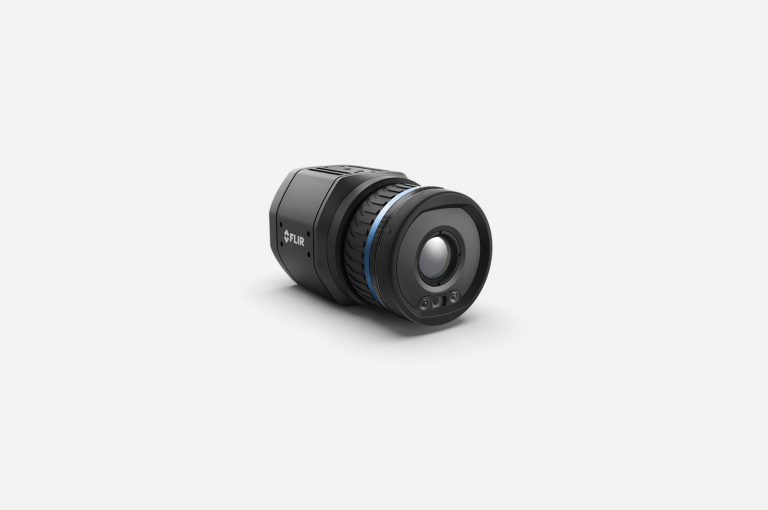
Reducing cycle times for these high-volume production lines is critical to maintaining a consistent flow throughout the process. Thermal imaging technology makes this possible. A thermal imaging camera or IR temperature sensor, such as the FLIR A400 streaming, can help users easily determine if the glue bead has been applied correctly, has gaps and is within the required temperature limits. The presence and coverage of the glue beads can then be verified from a glue dispensing robot.
RESULTS
With thermal imaging technology, manufacturers can maintain optimal production line performance. Thermal data allows users to evaluate and optimize the heating process. Achieve maintenance, quality and cycle time goals, including: monitoring glue supply to detect clogged heads and inconsistent or missing coverage; maintaining consistent glue dispenser coverage to ensure quality and save time spent on glue coverage inspections; or initiating a cleaning and reapplication protocol by operators when failures occur.
Any questions?
Request information
Related entries

Benefits of thermography in automated production and industrial maintenance systems
In modern industry, the integration of advanced technologies has become essential to maintain competitiveness and optimize each stage of production. One of the most effective tools in this area is thermography, which allows real-time, non-contact temperature monitoring, facilitating early detection of faults and improving the quality of the final product.

Maximum performance: thermography to automate ski grinding in an industry-first facility
Ski grinding RELISTE is a machine vision integrator based in Austria. For more than 50 years, it has been specialized in the sale of

Preventing factory fires and reducing downtime: how thermography protects international production lines
According to the International Energy Agency, in the race to reach ambitious global net-zero emissions targets, by 2050, additional