
AUTOMATION
Machine vision thermal imaging cameras for automation
Automation and condition monitoring identifies problems before failures occur in order to prevent costly production downtime. Equipment typically monitored includes high and low voltage installations, turbines, compressors and other electrical and mechanical equipment. Sometimes processes have to be monitored because any anomaly can lead to dangerous situations. For example, flashes of light that produce a flame that cannot be seen with the naked eye have to be monitored to see if the gases produced have actually combusted.
Table of Contents
Automation thermographic cameras for condition monitoring
Condition monitoring identifies problems before failures occur to avoid costly production downtime. Typical equipment monitored includes high and low voltage installations, turbines, compressors and other electrical and mechanical equipment. Sometimes it is necessary to monitor processes because an anomaly can cause dangerous situations. For example, flares that have a flame invisible to the naked eye must be monitored to see if they are effectively burning exhaust gases.
Thermal imaging cameras for flare supervision
Thermal imaging cameras for monitoring electrical substations
Thermal imaging cameras for monitoring steel casting pans

In many industries, flares are used to burn by-products with unwanted waste gases or flammable gases released by pressure control valves during unplanned pressure release from plant equipment. Automation thermal imaging cameras are an ideal monitoring tool, as they allow automated and uninterrupted remote monitoring whatever the weather conditions. They also avoid many of the economic and technical problems associated with other technologies, such as ultraviolet (UV) flame detectors, flame ionization spectrometers, thermocouples and pyrometers.
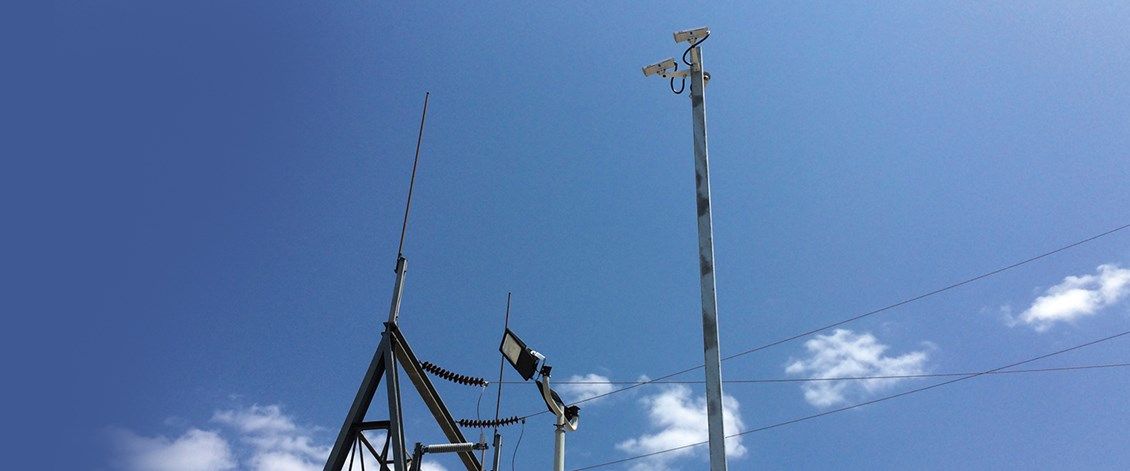
Today's utilities have to deal with the obsolescence of their infrastructures, which increases the risk of blackouts and brownouts, as well as posing security threats. Unplanned maintenance can be expensive at best and catastrophic at worst. Automation with thermal imaging cameras can remotely detect impending equipment and security failures at any time, day or night.

Steel pots in foundry plants have a limited service life. If refractory linings wear or break due to shocks, the outside of a pot can be exposed to excessive temperatures. If not detected in time, the result can be the disintegration of the pot and leakage of molten metal, putting workers' lives at risk and destroying equipment. FLIR thermal imaging camera automation systems monitor the pots in real time and warn of a leak before it occurs.


Thermal imaging cameras for monitoring electrical and mechanical installations
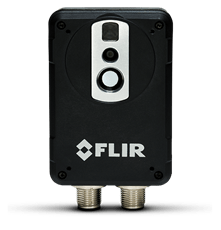

Some vital electrical or mechanical installations in utilities and manufacturing companies are monitored around the clock with a thermal imaging camera. Heat build-up indicates poor equipment condition and possible impending failure. A fixed-mount automation thermal imaging camera gives you the advantage of not having to rely on periodic inspections. Alarms can be set to trigger when a temperature threshold is exceeded.
Thermal imaging cameras for integration with IIoT systems

Industrial thermal automation sensors provide multi-zone, wide-area, non-contact, continuous monitoring of asset temperature. In an IIoT system, temperature data can be combined with vibration, current, gas emissions and many other types of sensor data so that companies can gain deep insight into the health of their assets. Successful utilities claim that this can improve the reliability of their grid, reduce operating costs and capital costs while extending asset life.


Thermal imaging cameras for early fire detection
Fire can destroy multiple buildings or facilities in an extremely short period of time. The value of assets destroyed during a fire can be tremendous, in addition to the incalculable value of a human life. With their non-contact method of measuring temperatures, thermal imaging cameras can help prevent fires by detecting hot spots before they ignite.
Thermal imaging cameras for fuel storage
Thermal imaging cameras for material storage
Thermal imaging cameras for raw material stacks

Fuel storage is notoriously dangerous because the product itself is highly flammable. Corrosion, leaks and human error can lead to explosions, sometimes with catastrophic consequences. Automatic monitoring of temperature changes in fuel storage tanks with thermal imaging can prevent disasters, satisfy insurance oversight and improve safety for workers and the public.

Even though warehouses are equipped with fire alarms and fire suppression systems, once a fire starts, damage to assets is almost certain. FLIR thermal imaging cameras can identify hot spots before they ignite and provide an early warning response to prevent a full-blown conflict before assets are damaged or safety is compromised.

The storage of some materials invites the risk of spontaneous combustion. As always, prevention is better than cure. A thermal imaging camera can help ensure safety and detect spontaneous combustion. The cameras provide continuous remote monitoring of temperatures in coal piles, wood chips, fertilizer and more.
Thermal imaging cameras for waste plants

Similar to fuel cell applications, waste is potentially flammable when stored. Self-combustion, heat development due to pressure, spontaneous chemical reactions between the waste and methane gas formation are potential fire hazards. Thermal cameras can help prevent fires by identifying hot spots with the potential to explode.


Intelligent thermographic system for early fire detection and connection to central alarm system

Thermal imaging cameras for process and quality control automation
Process control monitoring and quality assurance is concerned with measuring the temperature and/or determining the shape of certain products on a production line. The acquired thermal imaging data is used to control and improve the process so that the resulting products meet specifications.
Thermal imaging cameras for metal fabrication
Automotive thermal imaging cameras
Thermal imaging cameras for food processing

Heat treatment is used in metal fabrication to alter the chemical and physical properties of the resulting metal. Careful application of a specific sequence of heating and cooling cycles at intervals allows metallurgists to control the hardness or softness of parts. Thermal imaging can be used to monitor the temperature of metal parts after they emerge from a quench bath or "quench pit."

New vehicles are subjected to numerous quality control tests. Many automotive manufacturers use thermal imaging cameras for quality control. Typical applications include inspection of rear window heating, heated seats, exhaust testing, air conditioning outlets, etc.

In the food industry, it is essential to carefully control the temperature and shape of perishable products throughout the entire production, transportation and distribution process. Food processors need tools that automate crucial operations in a way that minimizes human error and keeps costs down.
Thermal imaging cameras for packaging
Thermal imaging cameras for gluing
Thermal imaging cameras for welding

Thermal imaging cameras clearly distinguish between what is hot and what is not. This, combined with emissivity effects, sometimes allows thermal imaging cameras to "see through" plastic or other materials to confirm the placement of packaging adhesives.

Transparent or black glue applied on a black background is very difficult for a visible light camera to see and measure. FLIR infrared cameras, however, can easily determine if the glue bead has been applied correctly, if it has gaps and even if it is within the allowable temperature limits. FLIR thermography is also an integral part of induction adhesive bonding, a process in the automotive industry.

Infrared welding is a heat-based joining technique that creates a very strong joint. But inconsistencies in heating, subsurface defects and other anomalies can lead to an incomplete or defective weld. FLIR thermal imaging cameras allow manufacturers to monitor the welding process as it occurs and verify weld quality without having to disassemble parts for spot checks.
Software capabilities:


Need more information?
Do not hesitate to contact our thermography experts. For any questions, you can call us at 91 159 39 78 | 93 706 36 79 or send us an email to [email protected]