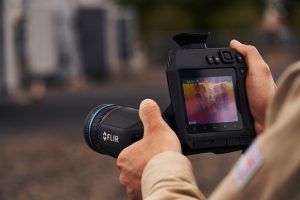
In modern industry, the integration of advanced technologies has become essential to maintain competitiveness and optimize each stage of production. One of the most effective tools in this area is thermography, which allows real-time, non-contact temperature monitoring, facilitating early detection of faults and improving the quality of the final product.
In this article, we will look at how thermal inspection automation is transforming production lines and explore in detail the different processes where this technology is making a difference: from quality control in assembly and welding to monitoring cooling systems and predictive maintenance. To learn more about the operation and features of thermal imaging cameras, we recommend that you first read our full article on what they are and how they are used.
Discover how this tool helps to avoid costly downtime and maximize efficiency at every stage of the process.
Table of Contents
Detection of faults in mechanical and electrical components
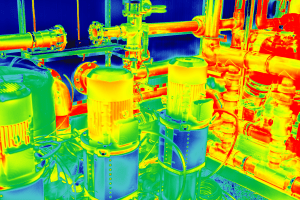
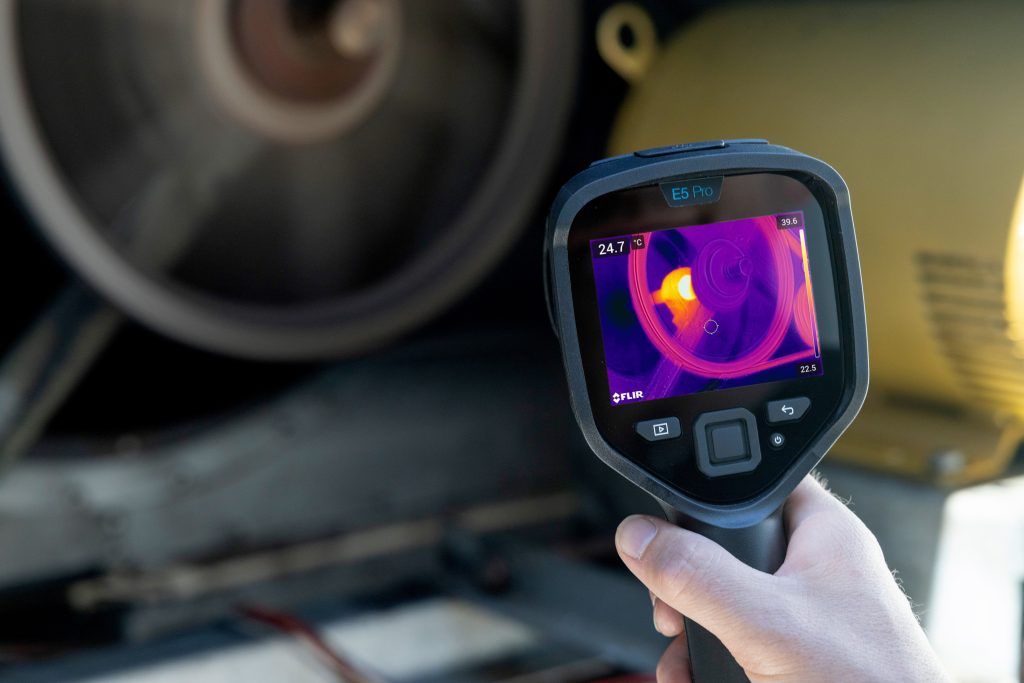
In production lines, critical components such as motors, bearings, transformers and electrical connections are prone to wear and failures that can lead to unexpected downtime. The implementation of automated thermal imaging cameras allows early detection of abnormal temperature increases in these elements, a clear sign that something is wrong.
- How does it work? Fixed-mount thermal imaging cameras continuously scan critical areas of the production line. In the event of a temperature rise in a motor or electrical connection, the system generates an alert, allowing maintenance intervention to be scheduled before the failure becomes a major problem.
- Specific benefits: This early warning system not only prevents emergency shutdowns, but also extends equipment life and reduces costs associated with catastrophic failures.
Quality control in welding and assembly processes
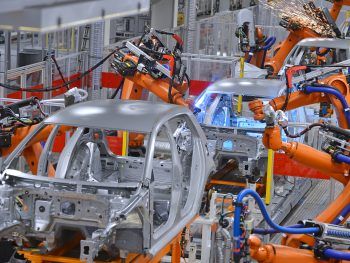
High-precision industries, such as electronics or automotive parts manufacturing, depend on flawless soldering and assembly processes. Any defects in these processes can compromise the integrity of the final product and require costly rework. Automated thermal imaging cameras facilitate quality inspection at these critical stages without the need to stop production.
- How does it work? Thermography monitors the temperature at welding points, applying a defined thermal standard that guarantees the correct melting of the material. If the camera detects a significant temperature variation in a weld or an assembled part, the system automatically identifies the product as defective for subsequent removal from the line, ensuring that only parts that meet the advanced standard continue the process.
- Specific benefits: The ability to detect thermal defects early not only increases efficiency in quality inspection, but also reduces material waste, labor costs and improves the company's reputation in terms of product quality.
Automation of cooling and heating processes
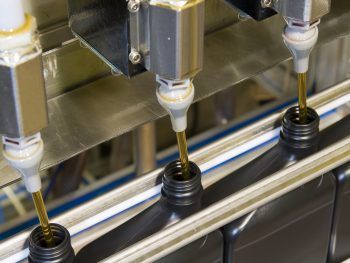
In industries such as food or plastics production, it is critical that certain products or components reach specific temperatures during processing to meet quality and safety standards. Automated thermographic systems can verify these temperatures without physical contact, enabling precise thermal control.
- How does it work? Thermal imaging cameras monitor heating and cooling processes in real time. For example, in plastics manufacturing, a thermal camera can verify that the cooling temperature of a part is within the optimal range to avoid deformation. It facilitates temperature sensing so that the system and energy flow or process speed can be adjusted.
- Specific benefits: This continuous control of temperature processes saves energy, reduces waste and ensures that the product meets specifications before moving to the next stage of production.
Inspection of refrigeration systems in production
In industries where temperature is key, such as food or pharmaceuticals, the refrigeration system is essential to ensure product quality. Is it possible to continuously monitor these systems without contact, detecting any possible failure or variation that could compromise the stability of the cold chain? Of course, with a thermal camera.
- How does it work? Thermal imaging cameras installed at strategic points in the refrigeration systems verify that there are no cold leaks, obstructions or abnormal temperature variations that indicate problems in the system. If an anomaly is detected, the control system triggers an alert for the maintenance team to intervene.
- Specific benefits: The ability to identify leaks or failures in real time minimizes the risk of loss of sensitive products and ensures compliance with quality regulations. In addition, this type of monitoring reduces costs associated with major repairs and product waste.
General benefits of thermography in automated production and maintenance systems
The automation of thermal inspection with thermal imaging cameras offers significant advantages in terms of efficiency and control, adapting to the requirements of each industrial sector. Among the main benefits, the following stand out:
Predictive Maintenance
The ability to detect thermal increases at an early stage makes it possible to schedule preventive interventions without interrupting the production process, which significantly reduces maintenance costs.

Improved product quality
The ability to detect thermal increases at an early stage makes it possible to schedule preventive interventions without interrupting the production process, which significantly reduces maintenance costs.
Optimization of operating costs
By integrating thermography into automated systems, companies optimize energy use, reduce material waste and increase the life of critical production equipment.

The integration of thermography into automated production and predictive maintenance systems not only improves operational efficiency, but also enables smarter resource management, ensuring product quality and increasing facility safety. At APLITER, we offer solutions for the integration of thermography in automated processes, helping companies to meet their productivity and sustainability goals in an increasingly competitive environment.
Related Entries