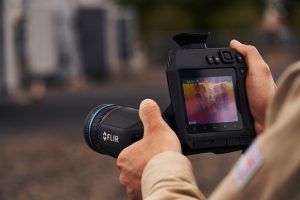
Predictive maintenance is a strategy that has revolutionized the way industries and the energy sector manage their equipment and machinery. This methodology focuses on anticipating potential failures before they occur, thus optimizing operational efficiency, reducing costs and increasing safety. In this article, we will explore in detail what predictive maintenance is, its different techniques and how infrared thermography has become a fundamental tool in this practice.
To learn more about the operation and features of thermal imaging cameras, we recommend that you first read our full article on what they are and how they are used.
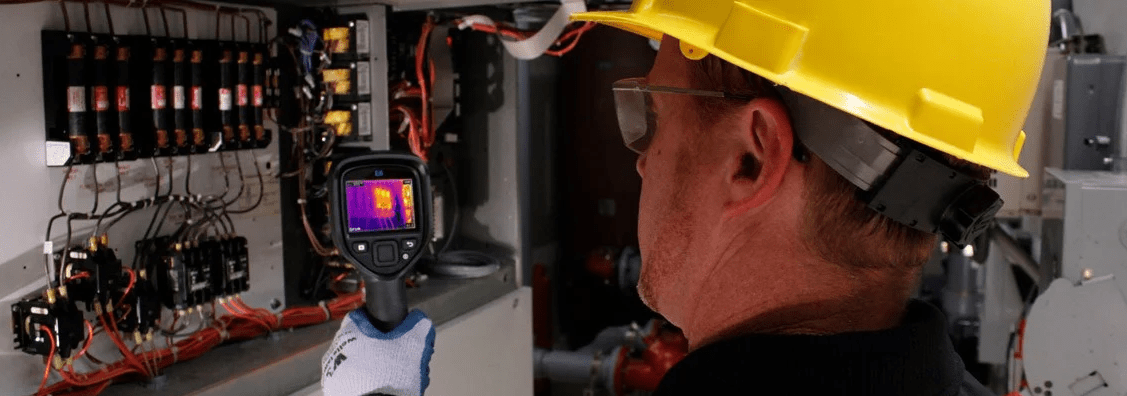
Table of Contents
What is predictive maintenance?
Predictive maintenance is a maintenance management approach that uses data and advanced technologies to monitor the condition of equipment in real time. Unlike reactive maintenance, which acts after a failure occurs, or preventive maintenance, which relies on set time intervals to perform maintenance, predictive maintenance focuses on predicting when equipment might fail and taking preventive measures to avoid it.
This approach not only extends equipment life, but also helps avoid unplanned downtime, reduces repair costs and minimizes the risk of accidents and catastrophic failures.
Importance of predictive maintenance in industry and energy sector
In industry and the energy sector, where equipment reliability is crucial for business continuity, predictive maintenance plays a vital role. Power plants, for example, cannot afford unexpected shutdowns, as these not only affect production, but can also jeopardize the safety of workers and cause significant economic losses.
Benefits of predictive maintenance
MORE INFORMATION ON THE 4 MAIN ADVANTAGES OF PREDICTIVE MAINTENANCE
Reduced costs: By identifying problems before they become serious failures, predictive maintenance reduces costs associated with major repairs and equipment replacements.
Optimization of operating time: Companies can plan repairs and maintenance during off-peak or off-peak periods, thus minimizing the impact on daily operations.
Stock optimization: If we are able to define a good forecast of the interventions that we will have to carry out, we will also be able to plan which spare parts or materials we will need at any given time.
Increased equipment life: Maintaining equipment in optimal condition prolongs its useful life and improves the return on investment in expensive assets.
Predictive maintenance techniques
There are several predictive maintenance techniques that industries and the energy sector can use to monitor the health of their equipment. Some of the most common include:
Vibration analysis
Vibration analysis is a technique used to monitor the condition of moving mechanical components such as motors, pumps and compressors. By analyzing the vibrations generated by these equipment, engineers can detect imbalances, misalignments and bearing failures before they cause major damage.


Lubricant condition monitoring
Oil analysis is a technique used to evaluate the condition of the lubricant in equipment and detect signs of wear in critical components. This method is especially useful in equipment where the oil acts not only as a lubricant, but also as a coolant.
Ultrasound
Ultrasound is used to detect air, gas and vacuum leaks, as well as to identify electrical problems, such as loose connections or electrical arcing. Ultrasound equipment captures high-frequency sounds that are converted into audible signals, allowing technicians to identify problems before they become critical.
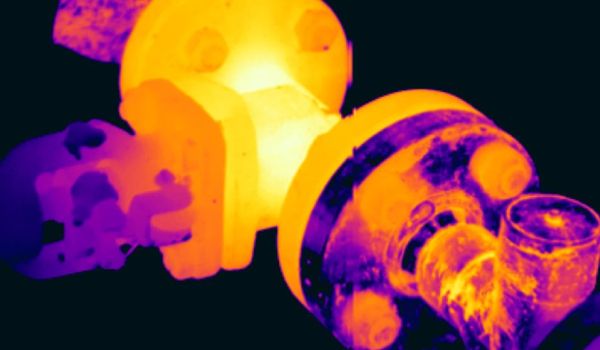
Thermographic analysis (infrared thermography)
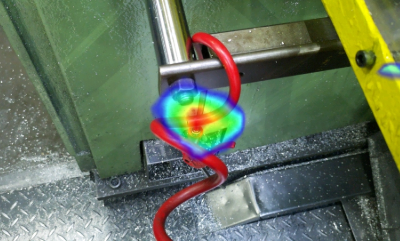
Infrared thermography is a predictive maintenance technique that uses infrared cameras to detect abnormal heat patterns in equipment and systems. By identifying "hot spots" that could indicate problems such as excessive friction, faulty electrical connections or overheating, technicians can take corrective action before failure occurs.
The importance of infrared thermography in predictive maintenance
Infrared thermography is especially useful in the energy sector and in industry due to its ability to provide a quick and non-invasive evaluation of equipment. This technique is ideal for inspecting electrical and mechanical components without the need to stop operation.
Common applications of infrared thermography:
Electrical substations: Thermographic inspections help detect hot spots in circuit breakers, transformers and other components, allowing repairs before a failure occurs.
Switchboards: In switchboards, thermography can identify loose connections, overloaded cables or components that are about to fail.
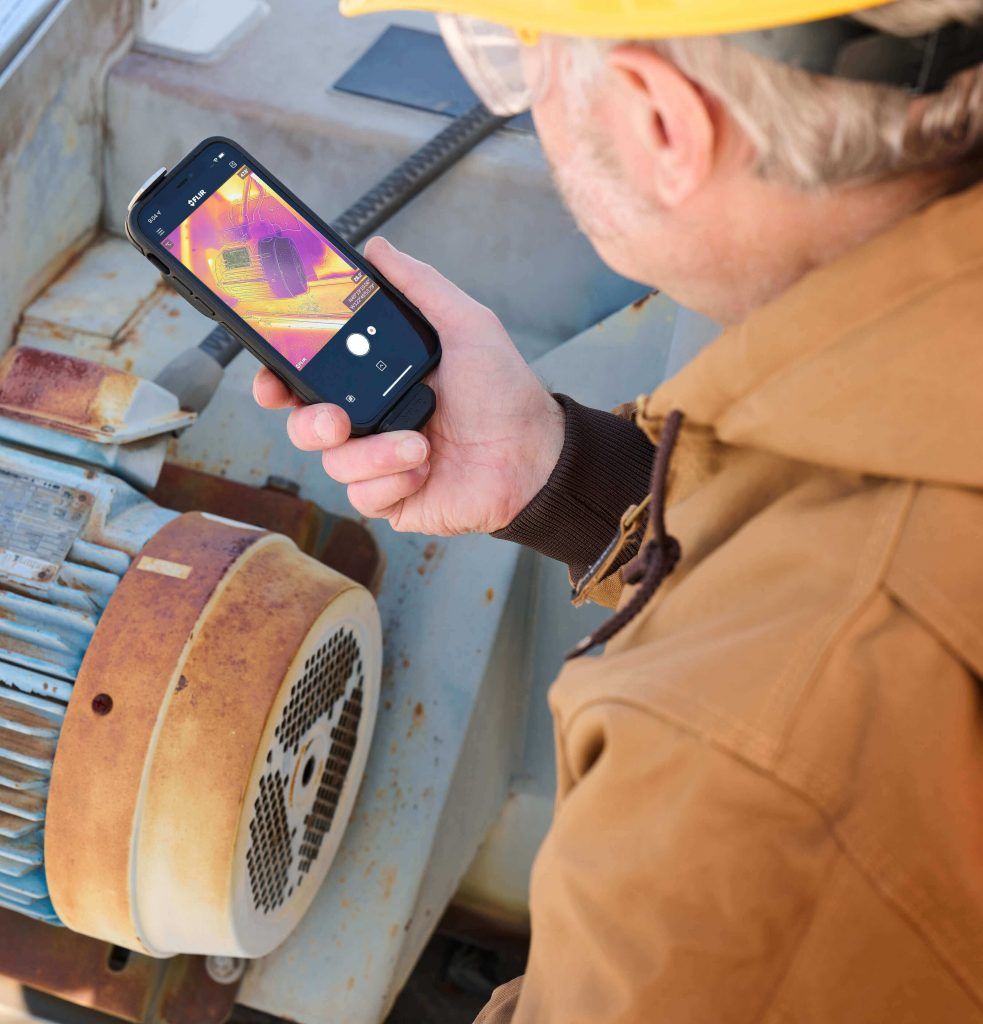
Motors and pumps: Thermography allows monitoring the temperature of bearings and other critical components in motors and pumps, thus avoiding costly unplanned shutdowns.
How to implement a predictive maintenance program
STEP 1: Needs assessment
The first step in implementing a predictive maintenance program is to conduct a detailed assessment of the company's needs. This includes identifying the critical equipment that requires monitoring and determining the most appropriate predictive maintenance techniques for each case.
STEP 2: Selection of tools and technologies
Once the needs have been identified, it is essential to select the appropriate tools and technologies. This could include the acquisition of thermographic cameras, vibration analyzers, ultrasound equipment and oil condition monitoring systems.
STEP 3: Staff training
Staff training is key to the success of any predictive maintenance program. It is important that technicians are well trained in the use of the selected tools and in the interpretation of the data collected to make informed decisions.
STEP 4: Integration with Maintenance Management Systems
To maximize the effectiveness of predictive maintenance, it is advisable to integrate these techniques with a maintenance management system (CMMS). This allows for better planning, tracking and analysis of maintenance activities.
STEP 5: Monitoring and Continuous Improvement
Predictive maintenance is not a one-time task, but an ongoing process that requires constant monitoring and adjustments as needed. Companies must be willing to review and improve their strategies as more data is collected and new technologies are developed.
In short, predictive maintenance is a fundamental strategy for any industry or company in the energy sector seeking to improve operational efficiency, reduce costs and ensure the safety of its operations. Among the different predictive maintenance techniques, infrared thermography stands out for its ability to provide accurate and fast diagnostics, making it an essential tool for monitoring critical equipment.
At APLITER, we are committed to helping you implement an effective predictive maintenance program that is tailored to your company's specific needs. With our expertise and advanced technological solutions, you can maximize the life of your equipment and minimize disruptions to your operations.
Contact us today to learn more and start transforming your maintenance approach.
Related Entries