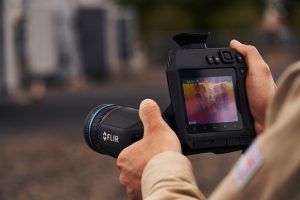
The infrared thermography has become an essential tool in many sectors, from industry to energy and construction. However, its successful implementation depends not only on having the right technology, but also on training to support its use. Training in thermography, especially through certified programs such as ITC's, not only ensures effective handling of the cameras, but also allows the integration of this technology into predictive maintenance strategies, providing more accurate results and extending the useful life of equipment.
In this article, we will explore why it is essential to be trained in thermography and how this knowledge can make a difference in the implementation of predictive maintenance programs.
Table of Contents
Why is it important to be trained in thermography?
Thermography makes it possible to detect temperature irregularities in industrial equipment before they cause critical failures. However, there is little point in having a camera if you don't know how to interpret the images. This is where training becomes crucial.
To take a thermography course teaches you to accurately interpret thermal patterns, allowing you to make informed decisions on maintenance and repairs. In addition, as a highly sought-after skill in sectors such as construction, energy and manufacturing, acquiring a certificate in thermography makes you a more competitive and valuable professional for your company.
At the team level, thermography training improves overall efficiency. A trained team is able to accurately detect problems, assist in their resolution and plan for proper maintenance. At the enterprise level, this training translates into reduced costs and increased equipment life.

The relationship between thermography and predictive maintenance
The predictive maintenance is based on detecting problems before they become failures. This is where infrared thermography shines, as it can identify temperature anomalies that indicate wear or malfunctions in equipment.
Thermal imaging is not only a reactive tool; with proper training, it becomes a strategic component of predictive maintenance. Early detection and action can prevent costly failures and, in some cases, save critical infrastructure from irreparable damage.
This preventive approach makes it possible to plan interventions efficiently, avoiding unplanned shutdowns and maintaining operational continuity. To learn more about the benefits of predictive maintenance, you can consult this article.

Different levels of thermography training
Thermography training is available at different levels, and each provides specific skills that align with your responsibilities and the type of analysis you need to perform. Take an online thermography online or classroom thermography course or classroom-based thermography course will allow you to specialize in the level that is right for you.
Level 1: Basic training
The thermography level 1 course is designed for those who wish to gain a fundamental understanding of the use of thermal imaging cameras. In this level you will learn the basic principles of thermography, how to capture thermal images and perform simple diagnostics. It is ideal for people who are just starting out in the field and want to use thermography for routine inspection and maintenance tasks.
Level 2: Advancing precision
The thermography course level 2 is aimed at those who already have experience and wish to deepen their knowledge of thermal analysis. Here you will study advanced methods for interpreting thermal images in more complex contexts, such as in industrial facilities or in high-precision inspections. This level enables you to lead predictive maintenance programs, using thermography as a key tool to anticipate failures.
Level 3: Excellence in analysis
The level 3 thermography course is reserved for professionals who wish to achieve excellence in thermographic analysis. This level prepares specialists to develop large-scale predictive maintenance programs, optimize industrial operations and train other technicians. It is the highest point of thermography training and allows the technology to be integrated into complex and strategic processes within the company.
Advantages of ITC certified training
Obtain a certification by the Infrared Training Center (ITC) in thermography in thermography not only ensures you are trained with the most up-to-date knowledge, but also gives you additional credibility in your field. ITC is one of the most recognized institutions worldwide, and their courses are designed to meet the highest industry standards. At Apliter Thermography, we are ITC certified trainers, so all our thermography courses are aligned with these criteria of excellence, ensuring that you receive a quality education that positively impacts your career.
Key benefits of ITC training for predictive maintenance:
- Global recognition: Being certified by ITC positions you as an expert in thermography to companies and enterprises internationally.
- Constantly updated: ITC courses keep you up to date with the latest technologies and thermal analysis methods.
- Professional community: Training with ITC allows you to connect with a global network of professionals who are leading the use of thermography in their respective fields.
For more information about these programs, you can visit our website.

Training in thermography is essential for you, your equipment and your company. Not only does it allow you to be more efficient and accurate in your daily tasks, but it is a key part of implementing predictive maintenance programs, ensuring that equipment operates at peak performance for longer.
Take a level 1 thermography course, level 2 or even level 3and obtain an ITC certificationITC certification opens the doors to a growing field and positions you as a professional capable of facing the challenges of modern maintenance. Investing in training not only ensures your professional growth, but also strengthens the competitiveness and sustainability of your company. Don't hesitate any longer and take the step to get trained!
Related Entries