
Performing proper maintenance of industrial machinery is key to prevent mishaps that force us to stop production unexpectedly.
Today, we can classify industrial maintenance into 3 different classes: corrective maintenance, which focuses on replacing parts or pieces of machinery when they are broken or worn; preventive maintenance, based on programming actions to minimize possible failures; and predictive maintenance, where professionals are able to foresee when problems may arise and program the relevant actions so that they do not occur.
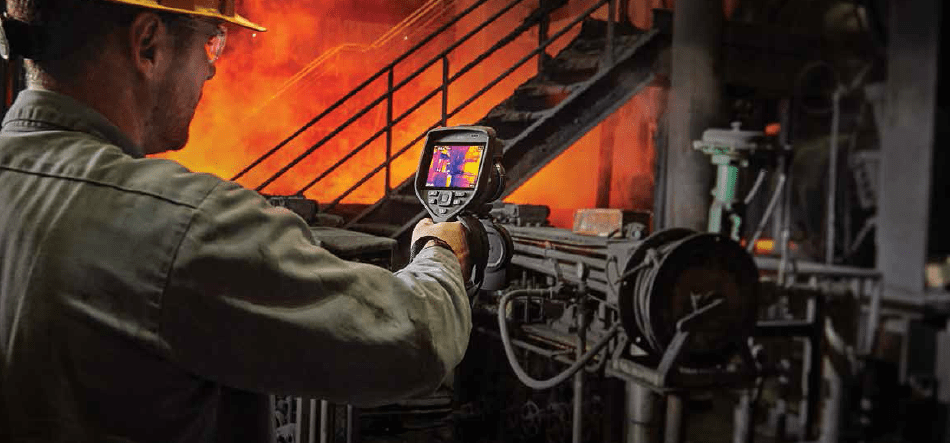
These different types of maintenance are not mutually exclusive and can complement each other when organizing an industrial maintenance plan, but if we want to have optimized machines we must always promote predictive maintenance actions, as it offers multiple advantages over the other 2 types.
The main advantages of predictive maintenance
As we have already mentioned, predictive maintenance is used to perform a diagnosis of the machinery and, thanks to the data collected, we can calculate when it will be necessary to take the appropriate measures to make an intervention before a serious failure occurs. Therefore, we can say that predictive maintenance monitors the mechanical conditions of the machines to get the most out of them and, in turn, allows repairs to be made in time to avoid breakages or failures during operation. Its main advantages can be summarized in 4 points that we will see below:
Savings in maintenance costs
If we are able to obtain objective data on the operation of our machines, we will be aware of when maintenance interventions will be necessary. In this way we will avoid having to carry out actions prematurely - such as, for example, changing parts that may still have a useful life - or when it is too late, being forced to carry out corrective maintenance interventions, when the machine has already stopped working due to a serious failure.
If we can optimize the parts of our machines and make a forecast of the actions to be carried out, with a well-defined predictive maintenance we could achieve a reduction of up to 10% in direct maintenance costs, and up to 50% in associated costs (spare parts, tools and materials needed for interventions, operator working hours, etc.).
2. Reduction of machine downtime and repair times.
When we incorporate predictive maintenance actions in our company, the first thing we will see is how a calendar is automatically created with the actions that we will have to carry out in the future. This will allow us to plan the actions in time and have a forecast of what personnel, tools and materials we will need to carry them out. Thanks to this forecast we will be able to reduce machine downtime and, in turn, the duration of repairs. In this way we will eliminate unforeseen events and optimize the work of the operators responsible for industrial maintenance.
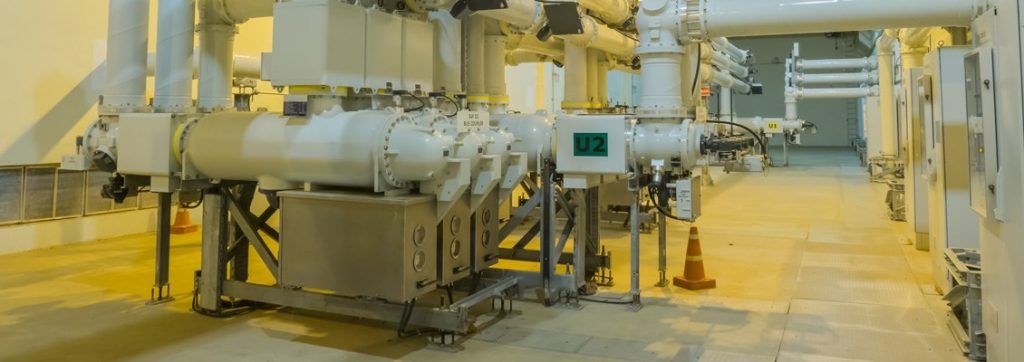
3. Optimization of stocks of parts required for spare parts.
If we are able to define a good forecast of the interventions that we will have to carry out, we will also be able to plan which spare parts or materials we will need at any given time. By working with predictive maintenance, we will ensure that we have sufficient stock for short-term interventions and we will have enough time to place orders for the spare parts we will need in the future. This not only eliminates the cost of purchasing materials that are not yet needed, but also saves space for stock storage in our facilities.
4. Improved production and machine service life.
The moment we incorporate predictive maintenance into our company's day-to-day operations, we will see how it will improve our production and, in turn, the useful life of our machinery. There are several reasons for this. On the one hand, predictive maintenance actions will reduce machine downtime for maintenance and, by being more aware of when interventions will be necessary, we will also be able to optimize their performance and improve productivity.
On the other hand, by being able to foresee when we will have to carry out maintenance actions, we will anticipate the end of the useful life of the parts and thus avoid serious failures that could lead to heavy wear and tear or breakage of the machine. If we anticipate serious damage to industrial machinery, we will extend its useful life.
The use of thermographic camera in predictive maintenance
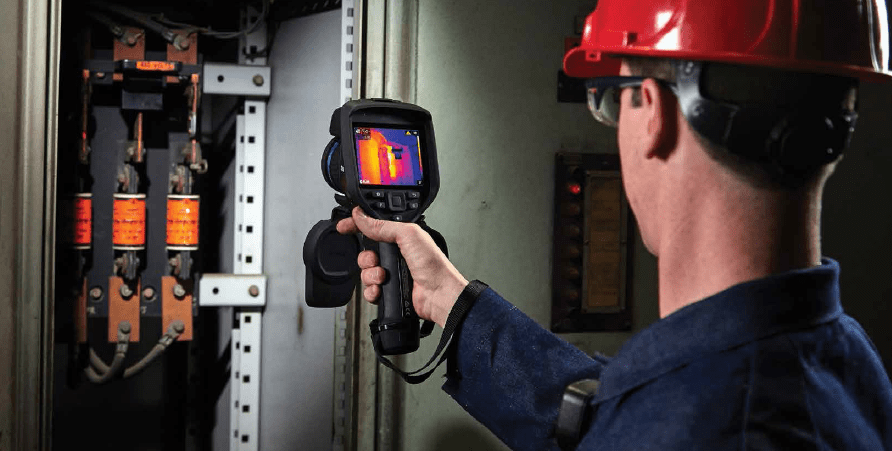
One of the most useful tools with which to carry out predictive maintenance are thermographic cameras. These devices use infrared images to monitor the temperature evolution of industrial machines and their components. In the case of detecting anomalous variations or excessive heat in any part of the machinery, it can mean that there is a problem at that point that will lead to a serious failure of the machine and that an intervention is required.
Thermal imaging cameras are easy to use and allow us to check the machines we analyze without the need for production stoppages or even direct contact with them. Maintenance technicians can take remote readings and then analyze them in order to be able to predict when interventions will be necessary.
If you would like more information about the advantages of using a thermal imaging camera for predictive maintenance contact one of our technical advisors and we will be happy to answer all your questions.