
Renewable energy solutions TELEDYNE FLIR
Wind power plants can be large and installed in remote locations, which poses a major challenge for maintenance work: inspections are often expensive and time-consuming, with mechanical and electrical systems difficult to access. Wind turbine components may be located at height, in confined spaces or with blocked or perimeter access. They are also susceptible to environmental challenges such as heat and changing weather conditions that can cause breakdowns. When this happens, the end result can be costly downtime or a serious accident. This is why preventive maintenance and periodic inspections are so important. Unfortunately, the cost can be high, so it is always a good idea to make the most of inspections. In this guide, we will discuss how Teledyne FLIR solutions can help maximize uptime and reduce wind energy maintenance costs.

You will find all products here.
Wind turbine components
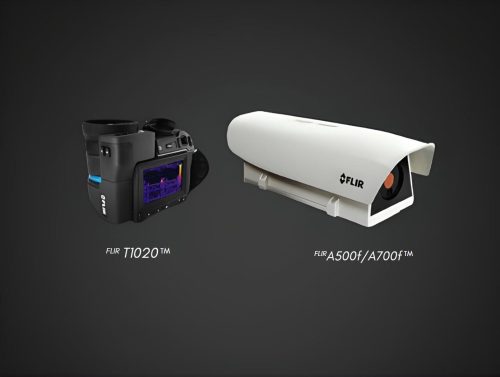
Anemometers
Wind turbine anemometers are essential for understanding wind speed and direction and, by extension, optimizing the power output of a wind turbine. Anemometers can be mounted on the wind turbine at various heights to collect accurate wind speed data. These devices transmit rotational data to a control center responsible for positioning the turbine in the wind for maximum efficiency. Maintenance professionals can use thermography to check electrical connections and ensure data transfer.

Rotor bearings
Wind turbine components are susceptible to wear and tear and can fail, especially rotor bearings - a series of bearings located inside the rotor shaft that connect the wind turbine blades to the gearbox. Ensuring proper operation is critical to maintaining operational efficiency and asset health. A thermal videoscope allows maintenance professionals to see inside the narrow bearing housing to look for signs of overheating, while a vibration meter or remote vibration monitoring system can detect signs of mechanical failure by analyzing vibrations.
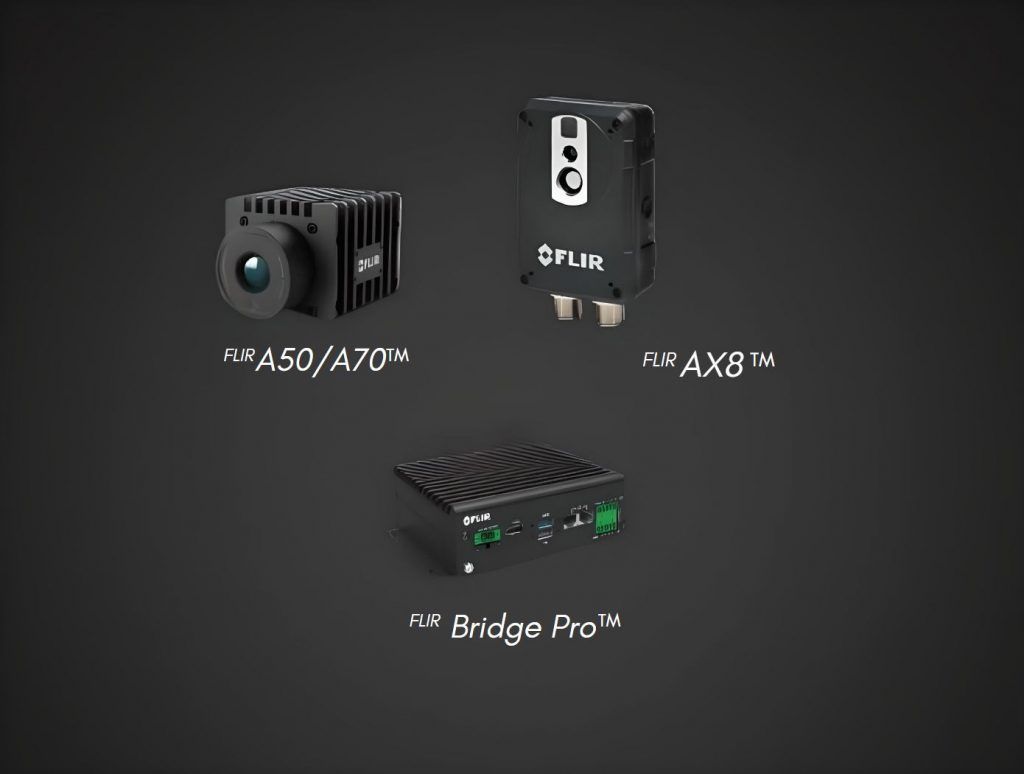
Orientation systems (gondola direction)
Guidance systems within a wind turbine orient the nacelle, or main casing, into the wind, primarily by generating torque that rotates the nacelle based on wind sensor signals or a manual override signal from the system. This helps to increase energy capture and maximize power output, as the turbine system is not constantly working to keep the nacelle stable. The system includes bearings, brakes, brake calipers and pistons, which can overheat as a failure signal. Continuous monitoring with a fixed thermal smart sensor can provide the early warning needed to prevent system failures leading to breakdowns.
Gearbox
The gearbox of a wind turbine connects the rotor shaft to the power generator and increases the rotations per minute (RPM) to optimize energy production. This vital component must be able to operate efficiently in demanding climatic conditions and under continuously fluctuating loads, vibrations and temperatures. Checking the temperature and condition of bearings, gears and other gearbox components is essential for operational efficiency and asset health.

Wind turbine generators
A wind turbine generator takes output from the gearbox and produces electrical power. These complex systems can include commutators, slip rings, coils, cooling systems and other components, which require regular inspection to ensure proper operation and asset health. Acoustic imaging allows you to inspect electrical systems for problems before failures are triggered, while a thermal camera and digital multimeter can be used to verify the condition of mechanical and electrical components. Finally, testing tools, such as a phase rotation tester, can ensure proper installation and operation of three-phase power supplies.

Mechanical/hydraulic draft control systems
Draft control systems control the angle of a wind turbine blade, adapting it to the wind direction to adjust the rotational speed. This enables optimum efficiency and reduces the mechanical load on the wind turbine systems. The stall control system includes variable frequency drives (VFD), which ensure a gradual start/stop to avoid shock loads on the blades. The VFD, motors and hydraulic components of this system should be checked frequently for voltage levels, electrical hot spots, solenoid valve operation and signs of wear.

Gearbox cooling system
Gearbox cooling systems maintain a constant temperature inside the nacelle to ensure the service life of all components. The energy conversion process along with solar radiation can generate heat that could damage components. Periodic inspections with a thermal camera, as well as electrical inspections with a digital multimeter, can provide warnings several months before failure occurs, saving costly downtime.

Maintenance of the electrical network

MV circuit breakers
Medium voltage (MV) circuit breakers connect low voltage wind power through an upstream transformer to the bus of a high voltage/medium voltage substation. They can be installed above or below ground. Although aboveground MV circuits are easily accessible, they require frequent inspections with a thermal camera and test and measurement tools to ensure that none of the connections are loose or damaged. Installing MV circuits underground is more expensive, but requires less maintenance. Inspectors may need to check these breakers occasionally for splice faults or ground faults. Visual inspection of the poles and mounting equipment is also necessary to ensure that the collection system is functioning properly.
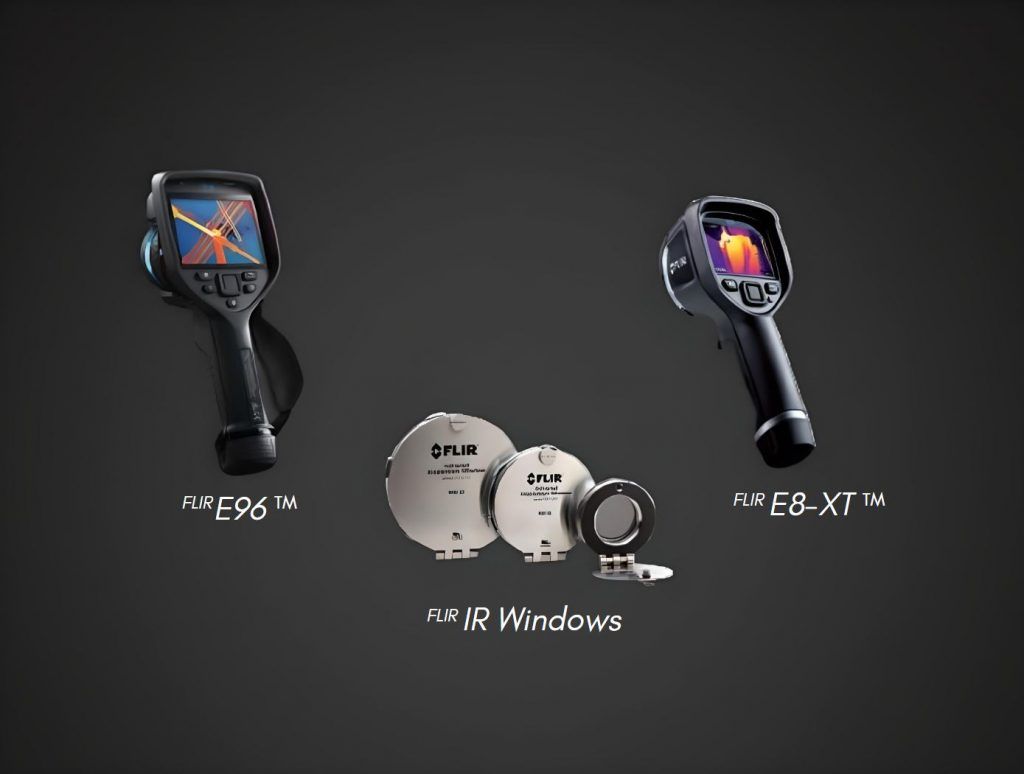
Pad-mounted transformers
If a wind farm transformer overheats and fails, it can lead to costly repairs and possible power outages. Periodic temperature monitoring using advanced diagnostic thermal imaging cameras can help you inspect and monitor the temperature distribution on the outside surface of each transformer to detect impending failures before they occur. It will show what the naked eye can't see: hot spots that indicate overheated parts, so you know where to investigate further. Find hidden signs of electrical resistance and mechanical wear so you can address repairs immediately.

Substations
Substations contain the most typical equipment found in a wind farm, including transformers, circuit breakers, switchgear and relays. If any one of these systems fails, the entire transformer will be shut down, costing you millions of dollars in worker overtime and expenses to expedite repairs. Regularly scheduled electrical inspections with thermographic cameras, along with SF6 insulation leak inspections with a gas detection camera, will ensure that equipment remains operational and that wind farm operators comply with safety regulations applicable to their equipment. Most wind farms perform these tasks during the low wind season to reduce loss of productivity and revenue.
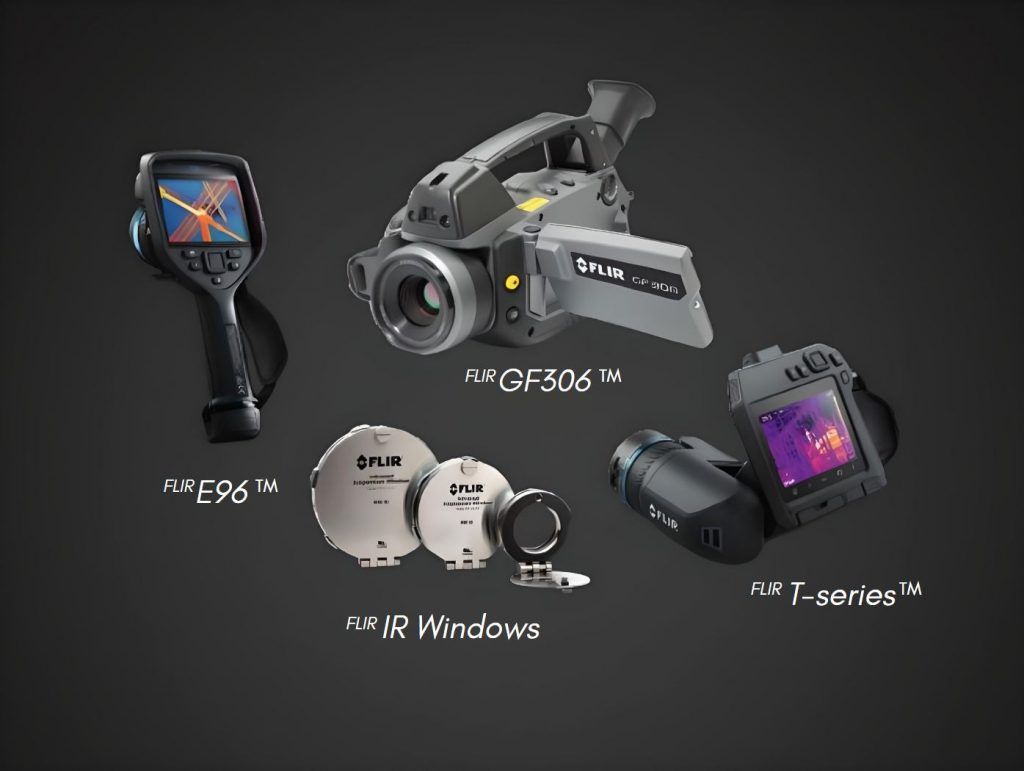
Transmission
Unplanned transmission line repairs can easily cost millions, so it is important to periodically inspect each connection to make sure it is working properly. Each system has many small connections, which are often located high and out of reach. Connections get hot before they fail. Performing regular inspections on substations and transmission lines using a thermal imaging camera can give you a complete picture of potential problems. You can visualize partial discharges or measure the temperature of overheated connections and diagnose problems before they occur, minimizing the cost of repairs, maximizing equipment life and maintaining power to customers.
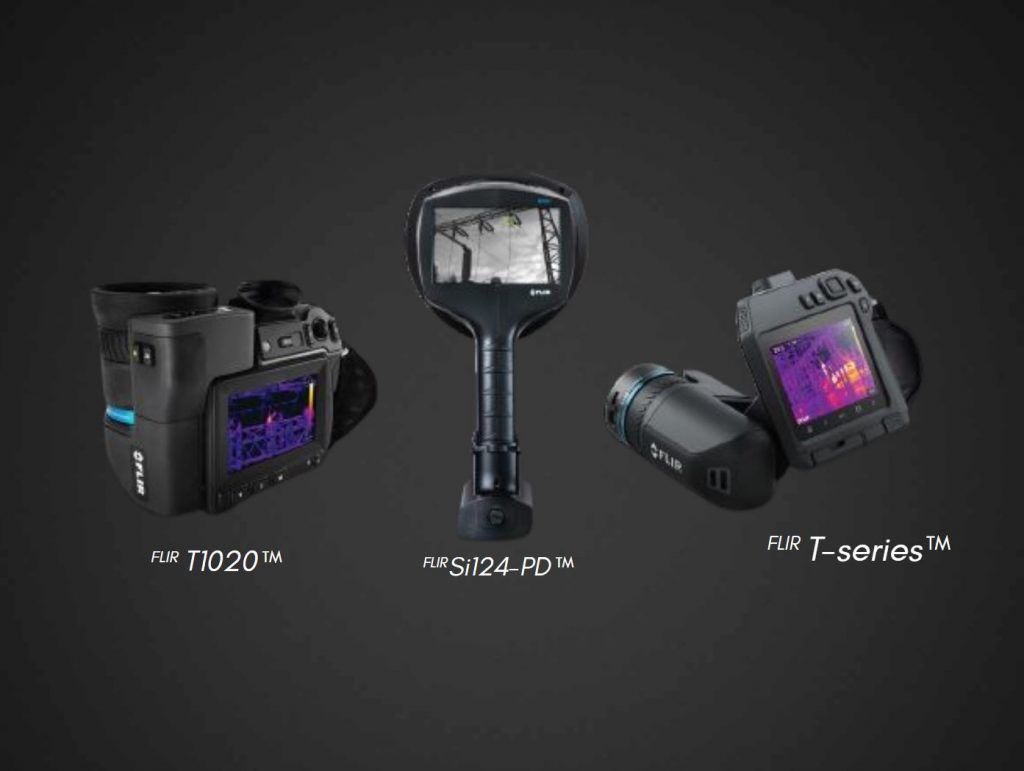
Wind power plant protection
Plant safety
Security breaches, environmental hazards, asset failure and economic losses are some of the challenges affecting wind power plants. It is vital to quickly detect threats, troubleshoot problems and manage processes across all use cases, from perimeter protection and entry control, to building diagnostics and condition monitoring.
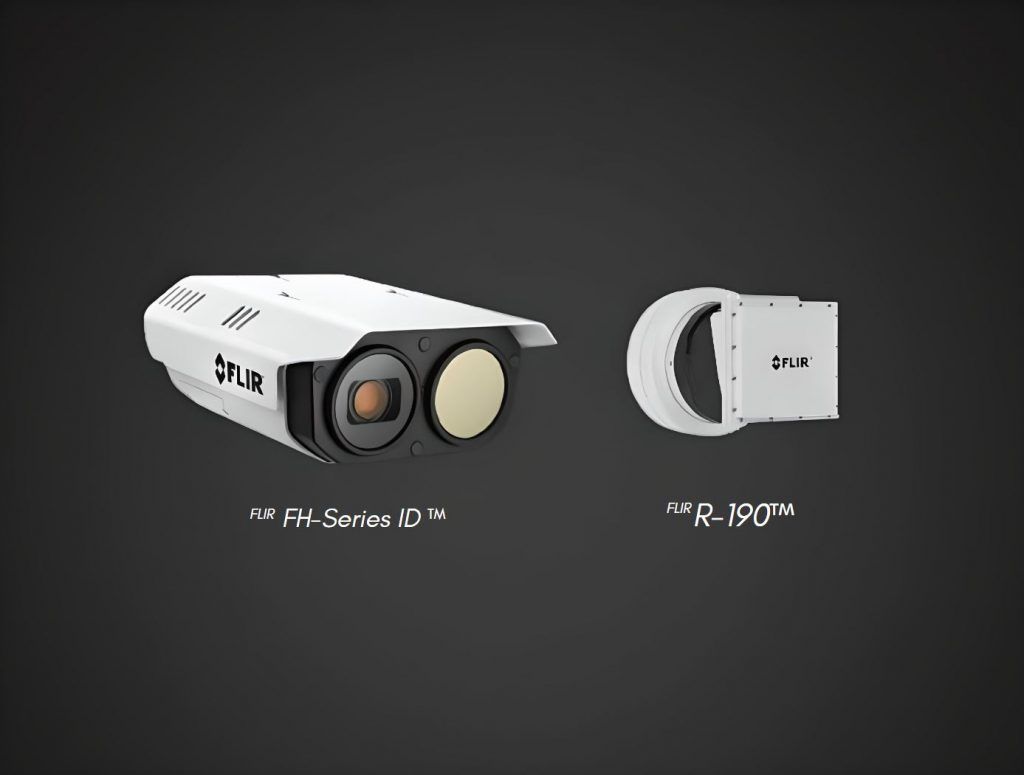
You will find all products here.
FLIR handheld infrared and acoustic camera software
FLIR helps you work more efficiently and increase productivity thanks to software packages and mobile apps for Android and iOS devices.
Software and cloud solutions
FLIR Thermal Studio Pro, FLIR Ignite Cloud storage and FLIR Path Management provide the total solution your team needs to streamline inspections, analysis and reporting.
FLIR Thermal Studio Pro: Create an efficient inspection roadmap with the FLIR Route Creator software plug-in, then download and run it using your camera's Inspection Route feature. Once the inspection is complete, return the images to FLIR Thermal Studio for processing, analysis and reporting.
For acoustic imaging, FLIR Si124 includes a software add-on for FLIR Thermal Studio Pro that allows you to calculate decision-critical data such as leak rates, costs and partial discharge threat level.
FLIR Ignite: Upload images wirelessly to this cloud-based service, which automatically manages the protected backup of your data and instantly shares content with authorized team members.

Infrared Training Center (ITC)
The value of thermography
The more knowledge you have about thermography, the greater the benefits to your company and your career. That's why the Infrared Training Center (ITC) offers classes for utility applications, from free online courses to advanced training with certification.
Find all the information and courses in the following button.
Related articles:
Industrial Maintenance: From Cost to Strategic Investment
For decades, industrial maintenance has been perceived as a necessary evil. An activity primarily aimed at complying with regulatory requirements, avoiding penalties, and responding to

DJI Matrice 4 series: The new era of professional drones
Matrice 4, a tool that will revolutionize sectors such as thermography, topography and industrial inspections. With significant improvements in technology, autonomy and versatility, these drones are designed to meet the most demanding challenges.

What role does thermography play in the automotive sector?
Technological innovation continues to transform the automotive industry, with infrared thermography emerging as a key tool for optimizing processes, ensuring quality and improving safety. In this article, we will explore how thermography is impacting every stage of a vehicle's lifecycle, from manufacturing to maintenance.