
Green hydrogen has emerged as a promising energy solution in the transition to a low-carbon economy. Produced through the electrolysis of water using electricity from renewable sources, green hydrogen is a clean energy carrier that could play a crucial role in sectors that are difficult to decarbonize, such as heavy industry and maritime and air transport. However, the production, storage and distribution of green hydrogen present significant technical challenges. Infrared thermography has been identified as an essential tool for maintenance and safety in the green hydrogen industry. This article examines in detail the concept of green hydrogen and how infrared thermography can be applied in its industry to ensure efficiency and safety.

Table of Contents
Green Hydrogen: A Pillar for Sustainability
What is Green Hydrogen?
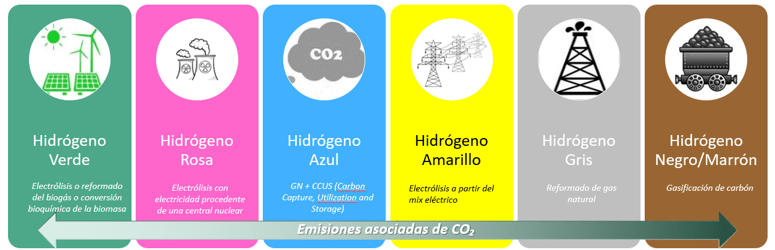
Hydrogen is the most abundant element in the universe and has the potential to be a key energy carrier. However, not all hydrogen is equal in terms of environmental impact. Hydrogen can be classified into different types according to its production method:
- Gray Hydrogen: Produced from natural gas through the steam reforming process. This process emits carbon dioxide (CO₂), contributing to climate change.
- Blue Hydrogen: Similar to gray hydrogen, but with carbon capture and storage (CCS) to reduce CO₂ emissions.
- Green Hydrogen: Produced by electrolysis of water using electricity from renewable sources such as wind and solar, with no carbon emissions during the production process.
More information about hydrogen can be found at the Hydrogen website
Benefits of Green Hydrogen
- Carbon Emission Reduction: Green hydrogen produces no CO₂ emissions in its production or use, helping to mitigate climate change.
- Energy Storage: Can efficiently store renewable energy, balancing the intermittency of sources such as solar and wind.
- Versatility: It can be used in multiple applications, including transportation, power generation, heating and industrial processes.
Discover the advantages for Europe
Challenges in Green Hydrogen Production and Use
- Costs: Electrolysis and the infrastructure required for green hydrogen production are currently expensive.
- Efficiency: Electrolysis efficiency is a developing area, and the efficiency of the green hydrogen supply chain also needs improvement.
- Infrastructure: Hydrogen storage and transportation requires specialized and secure infrastructure.
Infrared Thermography in the Green Hydrogen Industry
Infrared thermography is a non-invasive technique for measuring temperatures at a distance, providing thermal images that show the temperature distribution on a surface. This technology has become essential in various industries for predictive maintenance, fault detection and safety. In the green hydrogen industry, infrared thermography has crucial applications due to the specific characteristics and risks associated with hydrogen.
Principles of Infrared Thermography
Infrared thermography is a non-invasive technique for measuring temperatures at a distance, providing thermal images that show the temperature distribution on a surface. This technology has become essential in various industries for predictive maintenance, fault detection and safety. In the green hydrogen industry, infrared thermography has crucial applications due to the specific characteristics and risks associated with hydrogen.
Infrared Thermography Applications in the Green Hydrogen Industry
Electrolysis Plant Monitoring:
- Overheating Detection: Electrolysis cells must operate within a specific temperature range to be efficient and safe. Thermography can identify hot spots that indicate efficiency or safety problems.
- Predictive Maintenance: By regularly monitoring electrolysis equipment with thermal imaging cameras, it is possible to identify failures before they occur, schedule maintenance and avoid costly downtime.
Hydrogen Storage Safety:
- Storage Tank Inspection: Tanks that store hydrogen at high pressure can present risks of leaks and explosions. Infrared thermography can detect temperature changes in tanks that could indicate a leak.
- Valve and Connection Monitoring: Valves and connections in hydrogen storage and distribution systems can be critical failure points. Thermography allows non-invasive and safe inspection of these areas.
Distribution Infrastructure Supervision:
- Hydrogen Leak Detection: Hydrogen pipelines and distribution systems can have leaks that are difficult to detect by traditional methods. Thermography can identify leaks through thermal anomalies.
- Compressor and Pump Maintenance: Equipment that handles hydrogen compression and pumping must also operate within certain thermal parameters. Thermography can detect inefficiencies and possible failures in this equipment.
Integration with Renewable Energy Systems:
- Solar Panel and Wind Turbine Inspection: Green hydrogen plants are often integrated with renewable energy sources. Thermography is used to keep solar panels and wind turbines in optimal condition, ensuring a constant supply of energy for electrolysis.
- Energy Efficiency Assessment: Thermography can help assess the efficiency of the entire energy system, identifying thermal losses and areas for improvement.
Case Studies and Practical Examples
Case Study 1: Green Hydrogen Plant in Austria
A green hydrogen production plant in Austria implemented a predictive maintenance program using infrared thermography. By performing regular thermal inspections of the electrolysis cells and storage tanks, they were able to identify and correct overheating problems and hydrogen leaks before they caused major failures. This approach not only improved plant safety, but also increased operational efficiency and reduced maintenance costs.
Case Study 2: Pilot Project in Japan
In Japan, a green hydrogen pilot project integrated infrared thermography for monitoring the entire production and distribution chain. Thermal cameras installed at key points, such as compressors and pipe connections, enabled continuous, real-time monitoring. Early detection of thermal anomalies resulted in a significant reduction in unscheduled downtime and improved system reliability.
Other cases:
Benefits of Infrared Thermography in the Green Hydrogen Industry
Improved Security:
- Early detection of leaks and overheating reduces the risk of explosions and other hazardous incidents.
- Non-invasive inspection allows constant monitoring without the need to stop operations.
Operational Efficiency:
- Predictive maintenance allows repairs to be planned before critical failures occur, avoiding costly downtime.
- Identifying thermal inefficiencies helps to optimize equipment performance and reduce energy consumption.
Cost Reduction:
- By preventing catastrophic failures and minimizing downtime, infrared thermography contributes to reduced maintenance and operating costs.
- Improved efficiency in energy use and equipment operation translates into significant savings.
Challenges and Considerations in Using Infrared Thermography
Education and Training
Effective use of infrared thermography requires trained operators who can correctly interpret thermal images and make informed decisions. Proper training is essential to maximize the benefits of this technology.
Equipment and Technology
High-quality thermal imaging cameras and advanced thermal imaging analysis software can be expensive. However, investing in good quality equipment is crucial for accurate and reliable results.
Integration with Maintenance Systems
Infrared thermography must be properly integrated with other plant maintenance and asset management systems. This includes data collection and analysis, as well as the implementation of an effective predictive maintenance program.
In conclusion, green hydrogen represents a significant opportunity to move towards a more sustainable energy future. However, technical and safety challenges in its production and distribution require innovative solutions. Infrared thermography emerges as a vital tool for maintenance and safety in the green hydrogen industry. By enabling early detection of problems, improving operational efficiency and reducing costs, infrared thermography makes a crucial contribution to the development and safe operation of green hydrogen infrastructure. Effective integration of this technology into maintenance and asset management practices will be essential to the continued success of the green hydrogen industry.


