
FLIR thermal imaging cameras have proven to be an indispensable tool in a wide range of industries and applications. They are widely used in building and residential construction, or for security and surveillance work. But there are surprising uses for thermal imaging that may surprise you.
Introduction to FLIR thermal imaging cameras
Thermal imaging cameras are devices that allow us to capture and visualize infrared radiation (which we cannot detect with the naked eye) emitted by objects and convert it into visible images. This makes it possible to visually display the temperature emanating from objects and to detect temperature changes. FLIR thermal imaging cameras are leaders in this technology and are used in various industries for different purposes.
Typical uses of FLIR thermal cameras
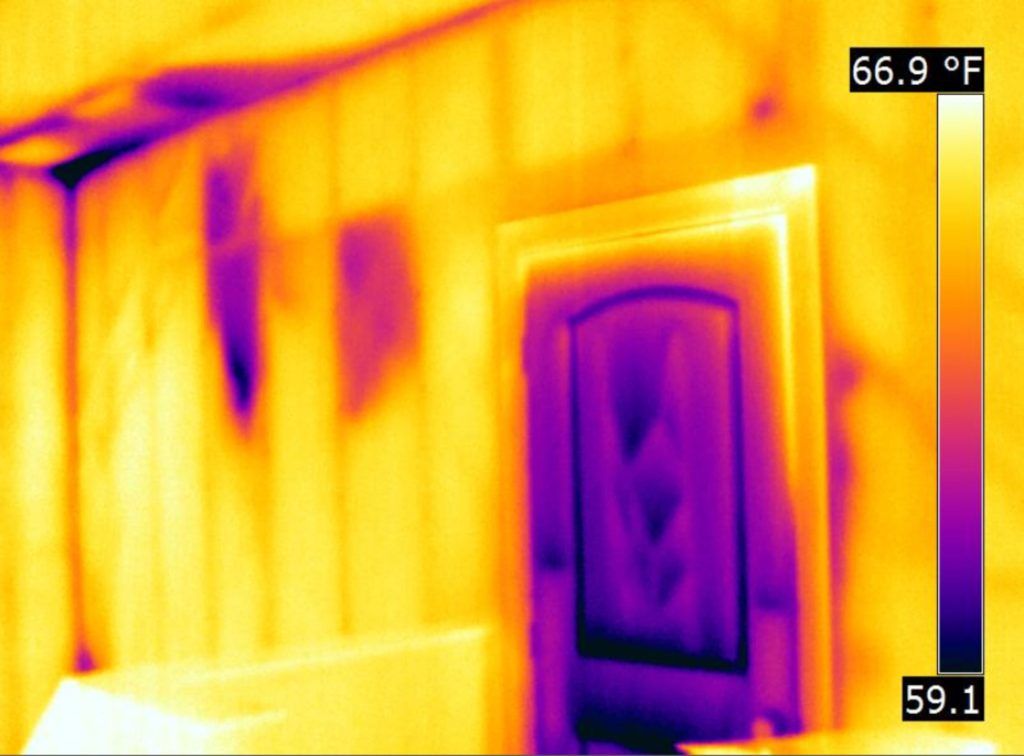
There are sectors, especially in maintenance and process control, where thermography is more than integrated. Thermal cameras are used in the construction of buildings and houses to detect air leaks and heat leaks. It is of vital importance to keep houses in the best possible state of insulation to avoid unwanted temperature changes due to poor insulation in construction.
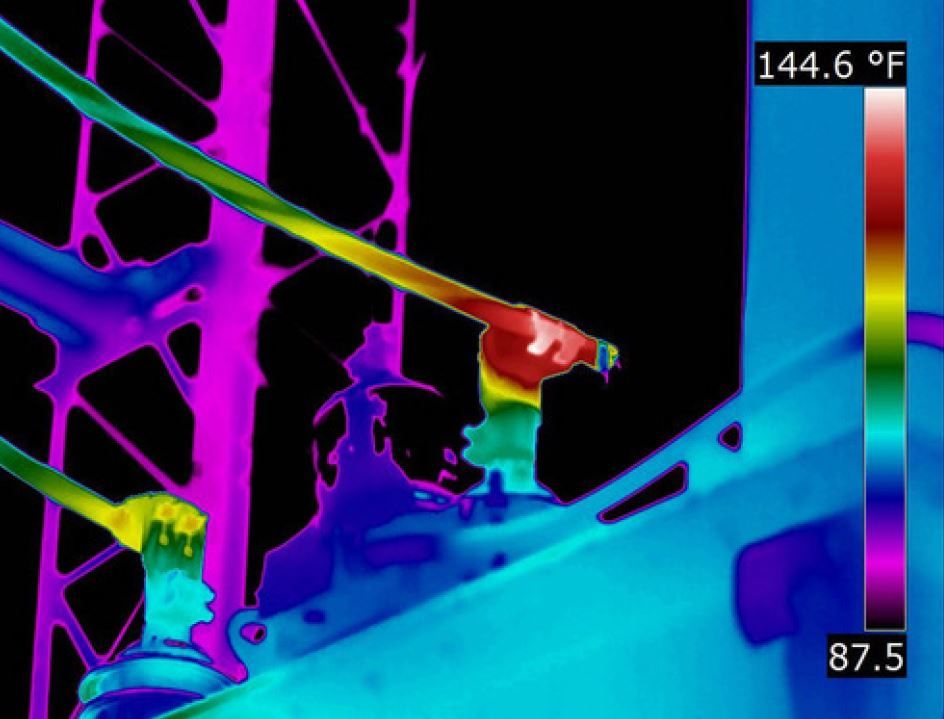
Thermography also has a strong presence in the energy sector, since it is possible to detect visually which specific piece of equipment is not working properly and to repair it without causing serious energy supply problems.
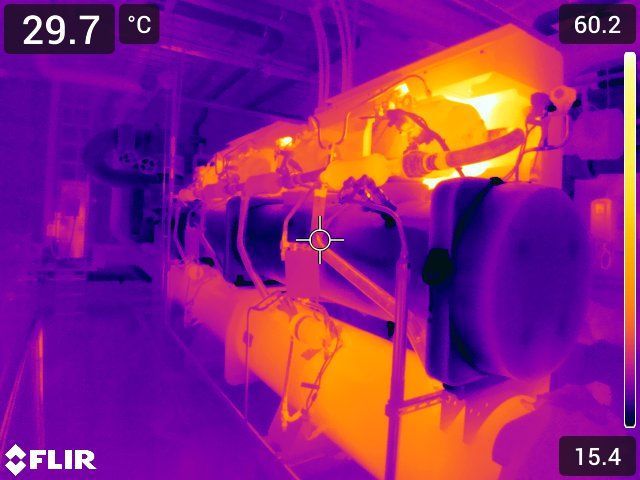
Thermal chambers are widely used in industrial companies, where it is necessary to control the temperature of specific processes and the variations that may occur both in the activity and in the machinery used.
These are some of the most common uses of FLIR thermal cameras, but there are uses of thermography that may surprise you.
Other uses of thermal imaging cameras
Thermography in veterinary medicine
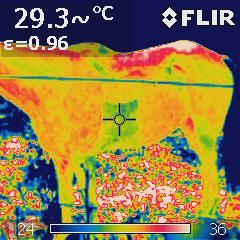
A different use of FLIR thermal imaging cameras is in veterinary medicine. Veterinarians can use these cameras to visualize blood flow in tissues and detect thermal abnormalities in animals' bodies. This allows them to provide better care and treatment, as they can identify injuries and diseases more accurately.
In addition, FLIR thermal cameras are also used in animal husbandry to monitor herd health. By detecting areas of altered animal temperature, farmers can take preventive measures and ensure healthier and more productive husbandry.
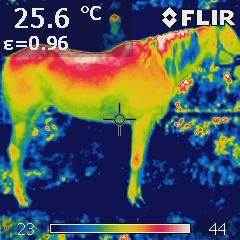
Another not so common use of FLIR thermal cameras is in the film industry. These cameras capture the heat emitted by objects and can convert that information into visible images. This allows filmmakers to create different scenes that would otherwise be impossible to achieve. From special effects to recreating thermal visions, FLIR thermal imaging cameras have revolutionized the way film is created.
Thermography in agriculture
In agriculture, FLIR thermal imaging cameras also play an important role. These cameras are used to monitor crop health and optimize irrigation, being able to determine the optimal harvest time by detecting crop maturity based on thermal variation.
By detecting areas of heat stress in plants and zones with specific irrigation needs, growers can take preventive measures and ensure a healthier and more abundant harvest by applying water more accurately and efficiently, avoiding waste and ensuring healthy plant growth.
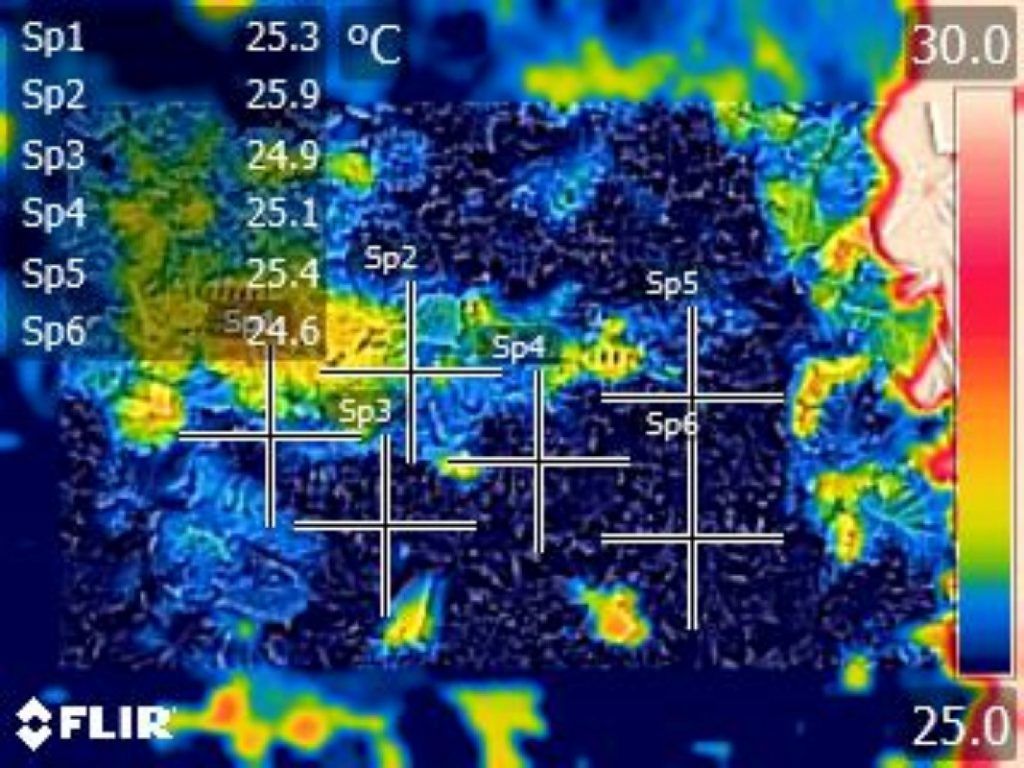
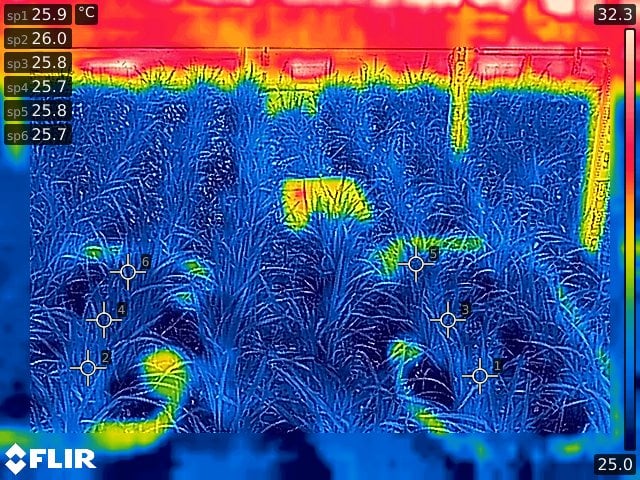
FLIR thermal cameras are also used in wildlife conservation and biodiversity studies. These cameras make it possible to locate wild animals and track their movements even in the dark. Researchers can use these cameras to study animal behavior, identify endangered species and monitor ecosystem health.
Thermography in art conservation
More and more maintenance and conservation works of art and architecture are using thermal cameras to detect the most critical and poorly preserved points.
This non-invasive approach is especially crucial in the restoration of ancient frescoes and murals, where the detection of wet areas, worn paint layers or structural damage can guide the restorer's intervention, allowing precise actions and minimizing the risk of further damage to the work.
These are some of the not-so-common applications of thermography, but this article demonstrates that FLIR thermal cameras can be useful in a wide variety of projects.
If you are interested in learning more about FLIR thermal cameras and their applications, visit this page.
Do you have any doubts?
Contact our expert thermography technicians.
Mail: [email protected]
Phone: 91 159 39 78 / 93 706 36 79.
Related articles

Electrical utilities rely on thermography to prevent component failures

Discover how thermal imaging cameras work and their usefulness in different industries
