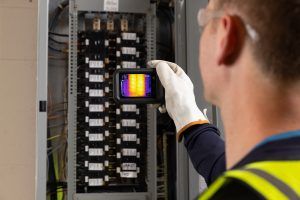
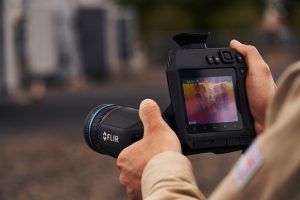
Thermal imaging cameras have revolutionized the way various industries do their work. It is an innovative technology that can visualize and measure the heat emitted by objects, which is useful in a wide range of applications. From inspecting buildings and electrical systems to detecting leaks in pipes or even searching for missing persons, thermal imaging cameras have proven to be indispensable tools.
How exactly do these cameras work? They use special sensors that detect the infrared radiation emitted by objects and convert it into a thermal image. This image shows heat in different colors, which makes it easier to identify temperature differences. In this way, thermal imaging cameras can reveal problems invisible to the naked eye and help to make accurate diagnoses.
In this post we will delve deeper into how thermal cameras work and their usefulness in different industries.
How thermal imaging cameras work
Thermal imaging cameras work through the use of sensors sensitive to infrared radiation. infrared radiation. These sensors capture the temperature differences of objects and convert them into a thermal image. The thermal image is displayed on a screen, and the colors represent different temperatures. Warmer objects are displayed in warmer colors, such as red or yellow, while cooler objects are displayed in cooler colors, such as blue or green.
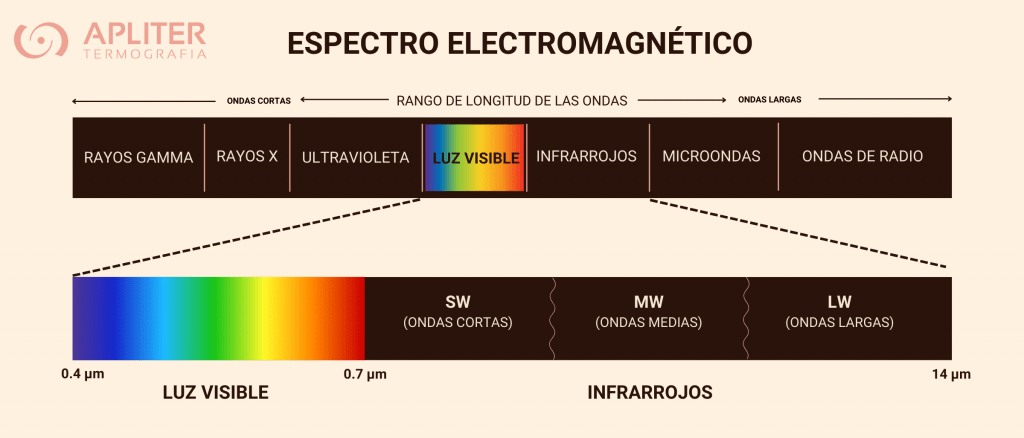
To capture infrared radiation, thermal cameras use a special lens that focuses the radiation on the sensor. In addition, they have electronic circuits that process the information captured by the sensor and convert it into a thermal image visible on the screen.
Advantages of thermal imaging cameras
Thermal imaging cameras offer several advantages over other temperature measurement tools. Some of the most outstanding advantages are:
- Non-invasive detection: Thermal cameras can detect temperature problems without the need for direct contact with the objects. This makes them ideal for inspections where it is necessary to avoid damaging or altering the objects under study.
- Speed and efficiency: Thermal imaging cameras can capture and process thermal images in real time. This makes them fast and efficient tools for inspections and diagnostics.
- Detecting invisible problems: Thermal cameras can reveal problems that are invisible to the human eye. For example, they can detect heat leaks in buildings, pipes or electrical systems, allowing problems to be identified and fixed before they become more serious.
- Safety in search and rescue operations: In search and rescue situations, thermal imaging cameras can help find missing or trapped people. The ability to detect heat emitted by the human body can be crucial in saving lives.
These are just some of the advantages that make thermal imaging cameras indispensable tools in various industries.
Thermal imaging camera applications in different industries
Thermal imaging cameras find utility in a wide range of industries. Some of the most common applications are:
1. Thermal cameras in building inspections and energy audits
In the construction and building management industry, thermal imaging cameras are used for energy audits and inspections. These cameras can detect heat leakage, identify areas with deficiencies in thermal insulation and assess the energy efficiency of HVAC systems. This allows corrective action to be taken and the energy efficiency of buildings to be improved.
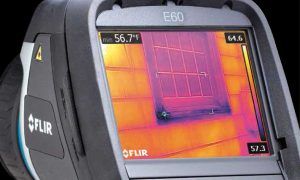
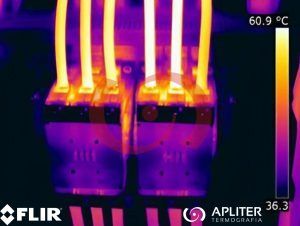
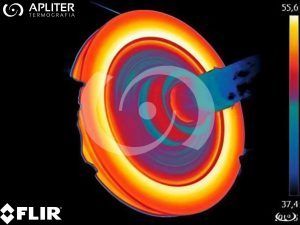
In the electrical and mechanical industry, thermal imaging cameras are used to inspect electrical systems, motors, machinery and other equipment. These cameras can detect hot spots, which can indicate overheating and possible equipment failure. Early detection of these problems allows preventive measures to be taken and avoid costly repairs or interruptions in production.
3. Thermal imaging cameras in firefighting, search and rescue operations.
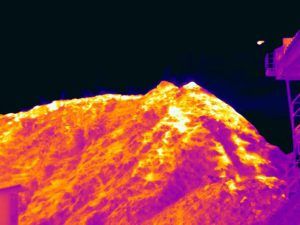
In emergency situations, such as fires or search and rescue situations, thermal imaging cameras are valuable tools. These cameras can help firefighters identify hot spots in a fire and locate possible victims trapped in burning buildings. They can also help search and rescue teams find missing persons, even in poor visibility conditions.
4. Thermal imaging cameras in medical and veterinary applications.
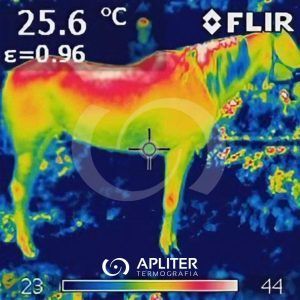
Thermal imaging cameras also have applications in the medical and veterinary fields. In medicine, these cameras can help detect areas of inflammation or altered blood flow, which can be useful in the diagnosis of certain diseases. In veterinary medicine, thermal imaging cameras can be used to detect health problems in animals, such as inflammation or injury.
Key factors in choosing a thermal camera
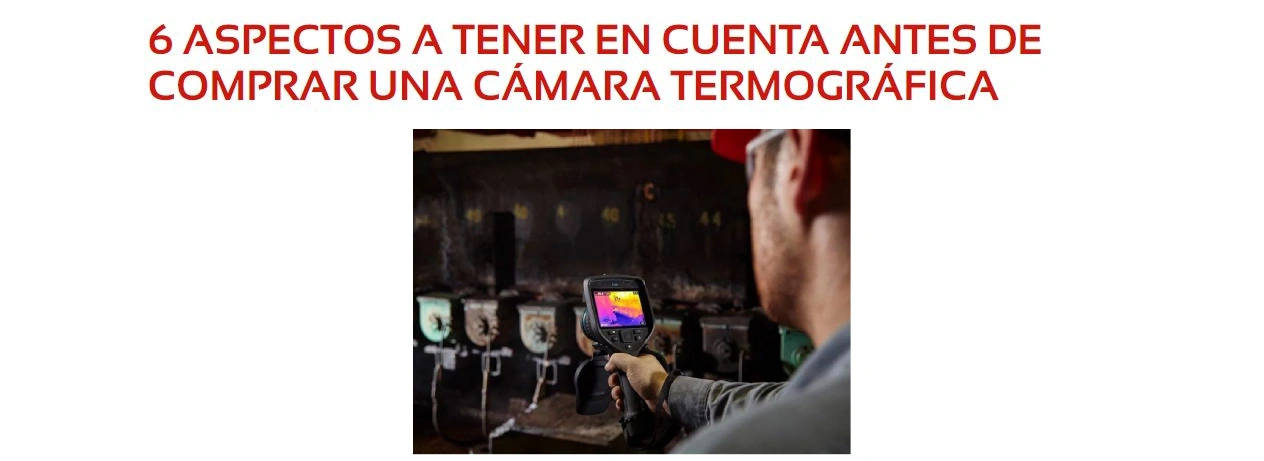
When choosing a thermal imaging camera, it is important to keep in mind a few key factors key factors:
- Resolution: The resolution of the camera will determine the quality of the thermal images. It is recommended to opt for a camera with a high enough resolution to capture important details.
- Temperature range: The temperature range that the chamber can measure is another important factor to consider. It must be suitable for the specific needs of the application in which it will be used.
- Ease of use: The camera should be easy to use and understand, especially if it will be used in industrial environments or in emergency situations.
- Durability and endurance: The camera must be rugged and durable, especially if it will be used in harsh conditions or hazardous environments.
Conclusions
In summary, thermal imaging cameras are a fascinating and useful technology that has transformed the way work is performed in many industries. Its ability to detect and visualize heat makes it a valuable tool for identifying invisible problems and taking corrective action quickly and efficiently. Its continued evolution promises even more benefits and applications in the future.
Find out how FLIR's professional thermal cameras can improve your industry today!