Gas Visualization
Regulations on optical gas imaging in the United States and Europe
In this publication you will find a compilation of the different regulations on the optical display of gas images in different countries. 2024: Regulation (EU)

In this publication you will find a compilation of the different regulations on the optical display of gas images in different countries. 2024: Regulation (EU)
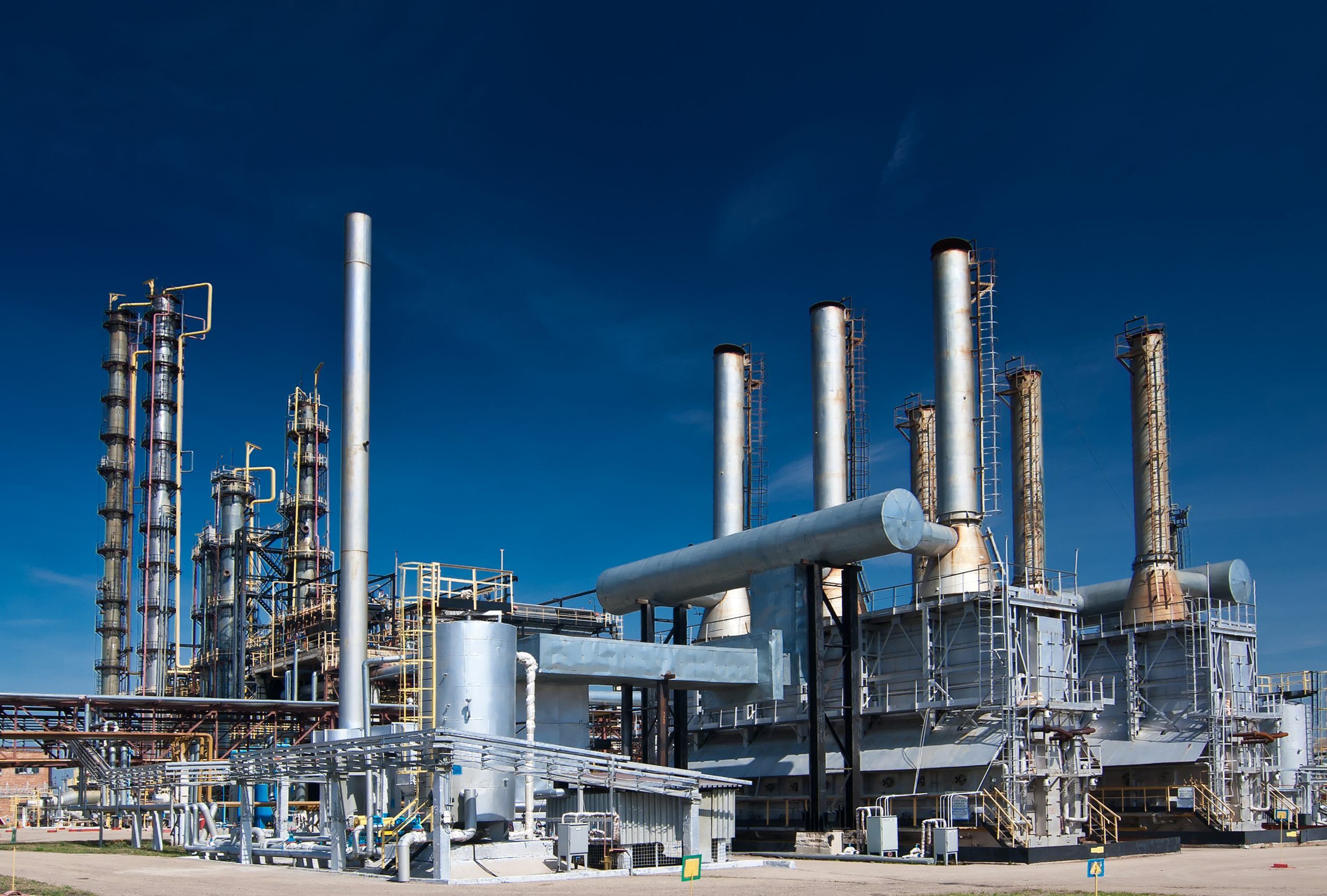
Detecting toxic emissions Most gases (methane, sulfur hexafluoride (SF6), carbon monoxide and hundreds of others) are not visible to the naked eye.
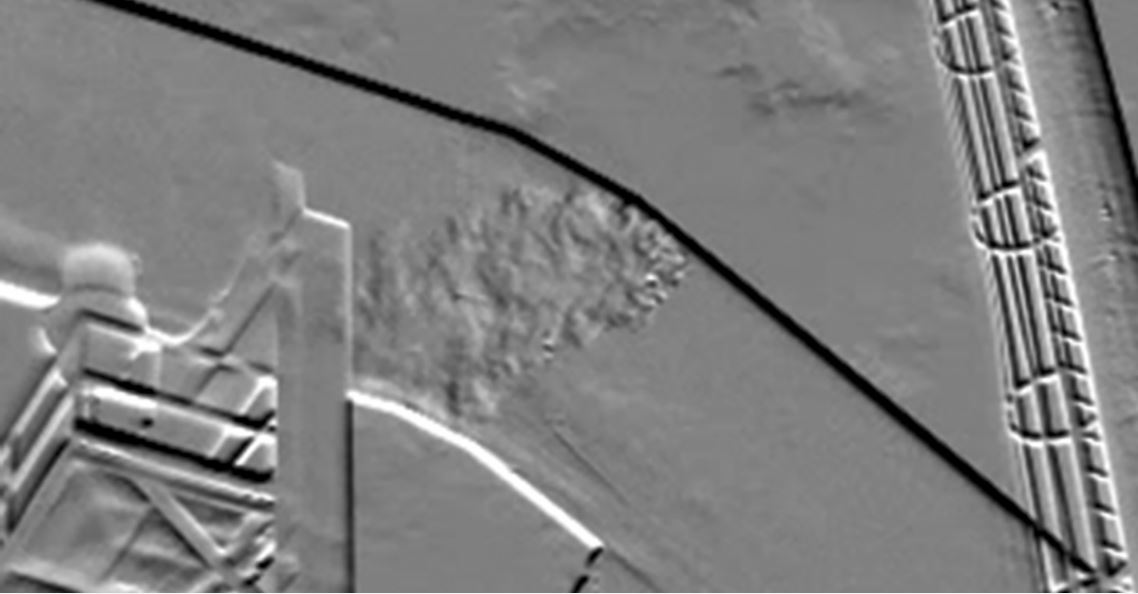
FLIR optical gas detection (OGI) cameras are highly specialized thermal cameras with spectral filters to detect specific gas leaks. Although the
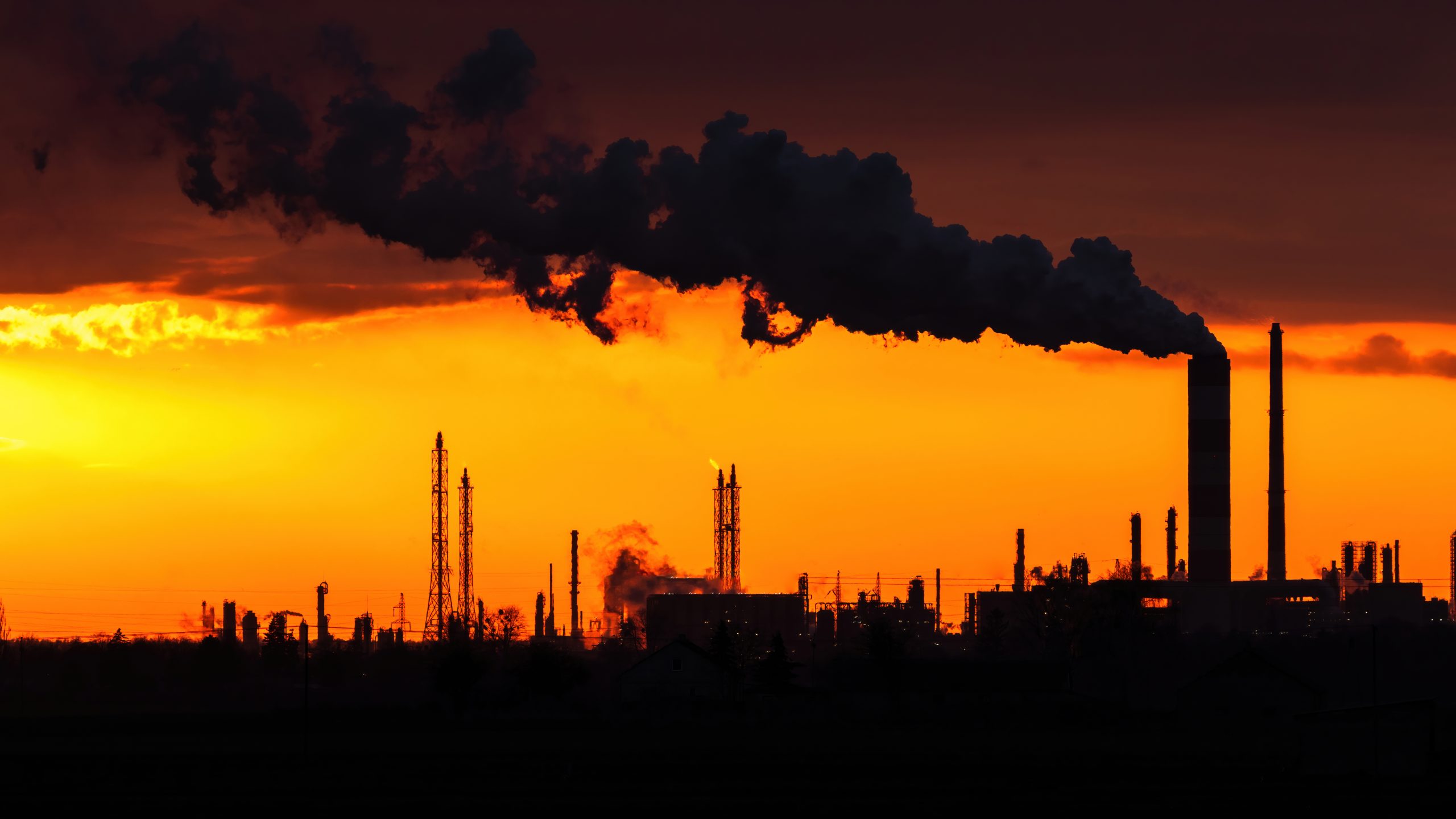
Optical gas imaging (OGI) cameras are extremely sensitive; they can detect small gas leaks from several meters away and large leaks from hundreds of meters away. In addition, they show leaks in moving transport vehicles, such as tankers, ships and railroad cars.
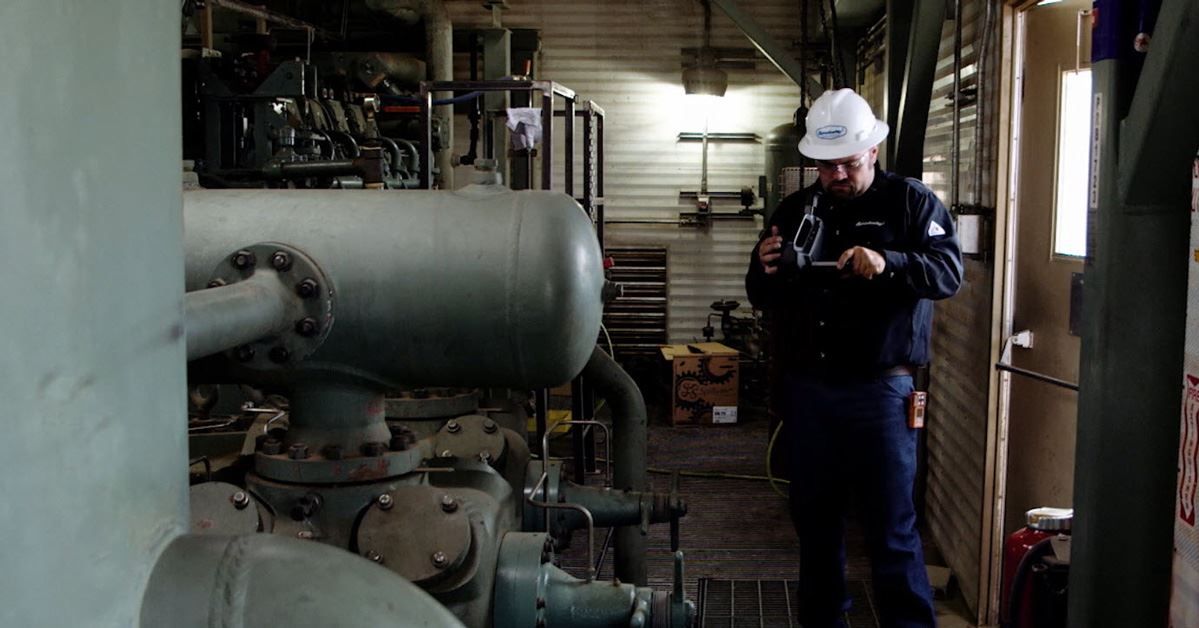
Detectors An optical gas imaging camera can be considered a very specialized version of a thermographic or infrared camera. It consists of

Apliter will be the FLIR distributor of reference for the Exx Series, T Series and Si124 ranges, commonly used in the energy and automotive sectors.
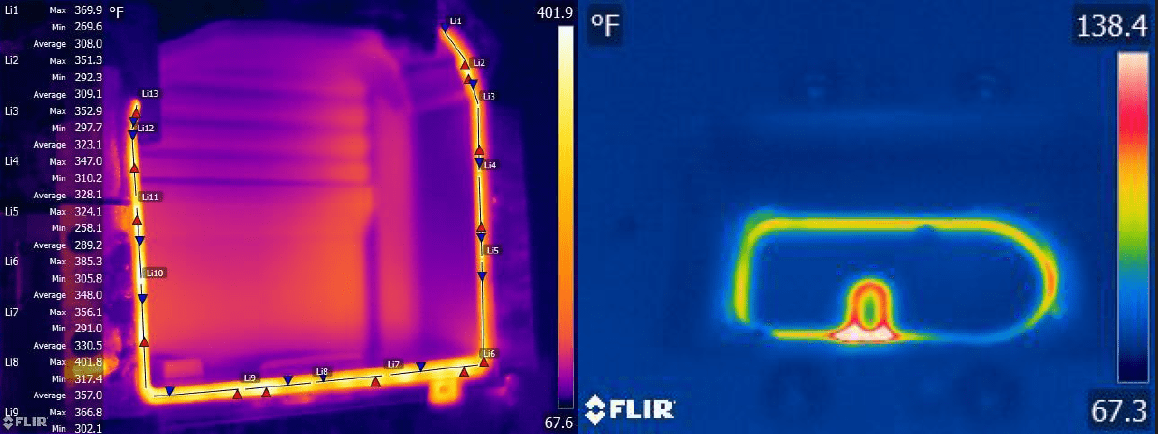
The use of plastic for parts such as instrument panels and defroster grills is common in the automotive industry because these lightweight materials do not

A fugitive emission, according to the standard "EN 15446:2008 - Fugitive and diffuse emissions of common interest for industrial sectors - Measurement of fugitive emissions".
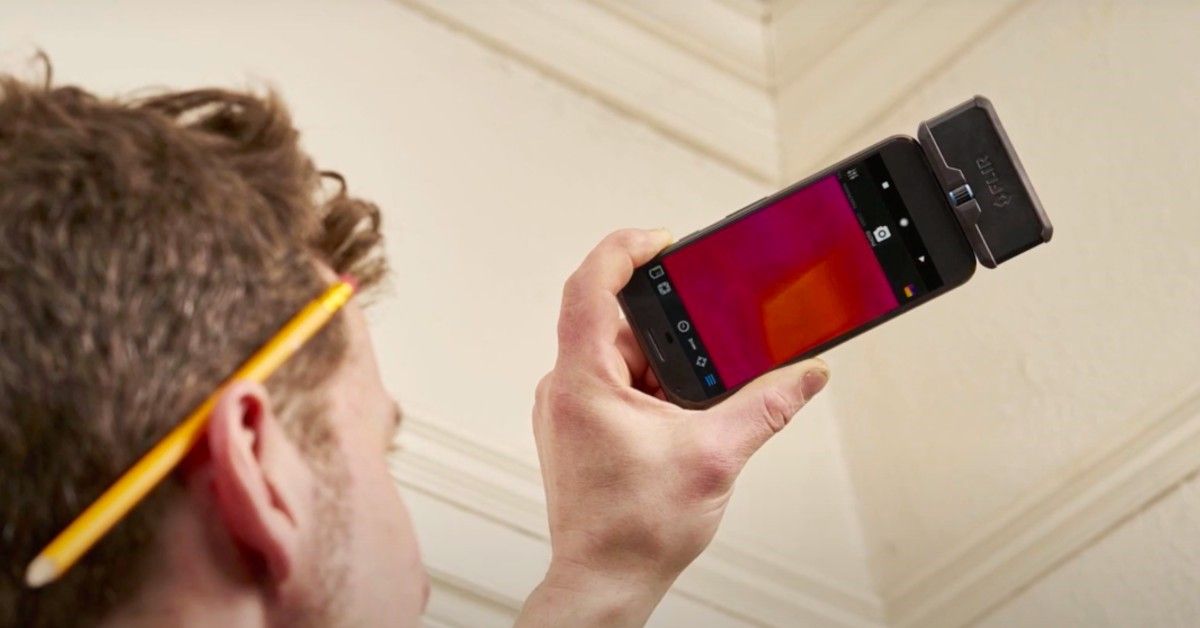
Saving energy? We can help you with professional, pocket-sized, easy-to-use thermal imaging technology. We know that many of you will feel the chill at

FLIR's gas detection cameras help you "see" hundreds of invisible gases quickly and safely, but not all types