
This is the first in a series of blog posts addressing changes to the U.S. Environmental Protection Agency's (EPA) environmental protection rules regarding the detection and mitigation of oil and gas emissions, including methane, as well as the use of optical gas imaging (OGI) cameras.
At the COP28 global event in Dubai, the U.S. EPA published its final rules on detection and repair of methane and other oil and gas emissions leak detection and repair (LDAR), codifying earlier drafts and supplemental regulations introduced in 2021 and 2022, respectively.
The rules represent the culmination of a major change in the way the U.S. federal government plans to regulate emissions of methane and other greenhouse gases that contribute to global warming. The EPA estimates that the new rule will reduce methane emissions nearly 80% below what was predicted, and that it will "prevent about 58 million tons of methane emissions between 2024 and 2038."
Of particular interest are new subparts commonly referred to as New Source Performance Standards (NSPS) "OOOOb" and Emissions Guidelines (EG) OOOOc. These updates are additions to the 2015 regulations known as "OOOOa", which first established optical gas imaging (OGI) as the best system of emission reduction (BSER).
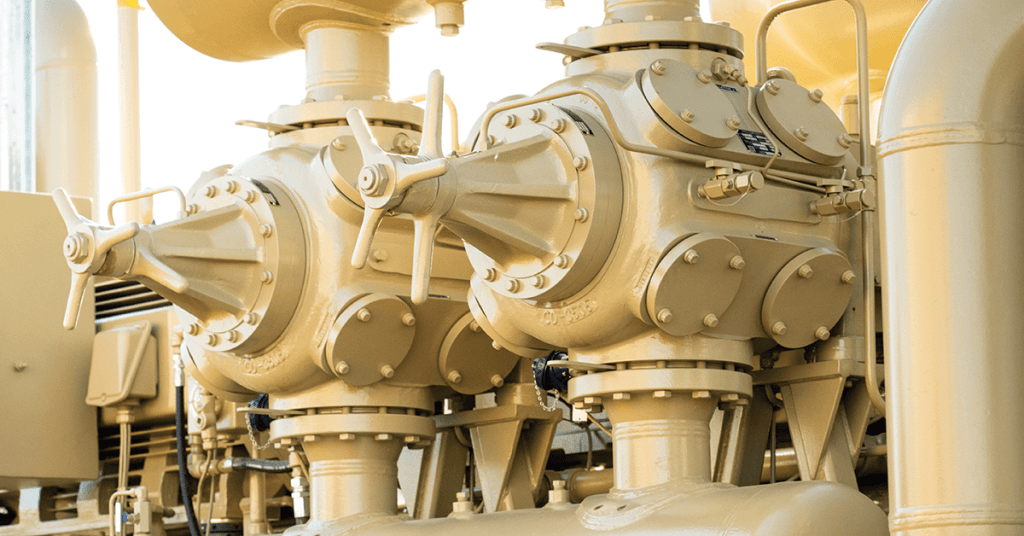
Subpart OOOOb is designed to strengthen the existing OOOOa standard covering new, modified, or reconstructed sources, including the consistent use of auditory, visual, and olfactory technologies for the detection of fugitive gas emissions, in addition to OGI.
OOOOc covers additional existing sources for methane emissions and is designed for EPA to "inform states in the development, submission, and implementation of state plans" to address existing sources. States have 24 months to develop and implement a plan as of the date affected by the regulation, December 6, 2022. After state submission, regulated facilities will have a maximum of 36 months to comply with the respective state's OOOOc plan.
Summary table of LDAR requirements for various sub-parts
Note: "At baseline" refers to the previous regulatory framework or requirements:
| Table 1-1 NSPS OOOOb emissions sources, baseline requirements and requirements under the final rule. | Table 1-2 Sources of EG OOOOc emissions, baseline requirements, and requirements under the final rule. | |||
| Performance standards | Presumptive performance standards | |||
| Source | At baseline | Under the final rule | At baseline | Under the final rule |
| Fugitive emissions/equipment leakage | ||||
| Well sites | ||||
| Wellhead only, single well site | No requirements | Quarterly AVO monitoring | No requirements | Quarterly AVO monitoring |
| Wellhead only, multi-well site | No requirements | Quarterly AVO monitoring + semiannual OGI | No requirements | Quarterly AVO monitoring + semiannual OGI |
| Single well site with single main equipment main equipment and no tank battery | Semiannual OGI | Quarterly AVO monitoring | Pre-OOOOa: No requirement Post-OOOOa: Semester OGI | Quarterly AVO monitoring |
| Multi-well site with a single piece of of main equipment, or any site with two or two or more pieces of main equipment or one piece of main main equipment and a battery of tanks | Semiannual OGI | Bimonthly AVO + quarterly OGI monitoring | Pre-OOOOa: No requirement Post-OOOOa: Semester OGI | Bimonthly AVO + quarterly OGI monitoring |
| Collection and impulse stations | OGI quarterly | Monthly AVO monitoring + Quarterly OGI | Pre-OOOOa: No requirement Post-OOOOa: Quarterly OGI | Monthly AVO monitoring + Quarterly OGI |
| Stations transmission and storage compressor stations | ||||
| Natural gas processing plants | NSPS Subpart VVa | OGI bimonthly | Pre-KKK: No requirements Post-KKKK and Pre-OOOO: NSPS Subpart VV Post-OOOO: NSPS Subpart Vva | OGI bimonthly |
The most significant changes to the standard relate to expanding the number of covered sources and affected sources within the energy supply chain. The rule also requires increased frequency of detection for some monitoring locations, including increased use of OGI technologies to maintain compliance.
More specifically, process controllers must have a zero leak rate and cannot see any emissions with an OGI camera, and OGI technology is allowed or encouraged in other specific applications, such as compressors and enclosed ventilation systems. Some facilities will also move from semi-annual OGI monitoring to bi-monthly audible, visual and olfactory (AVO) inspections plus quarterly OGI monitoring, while natural gas processing facilities will require bi-monthly OGI inspections.
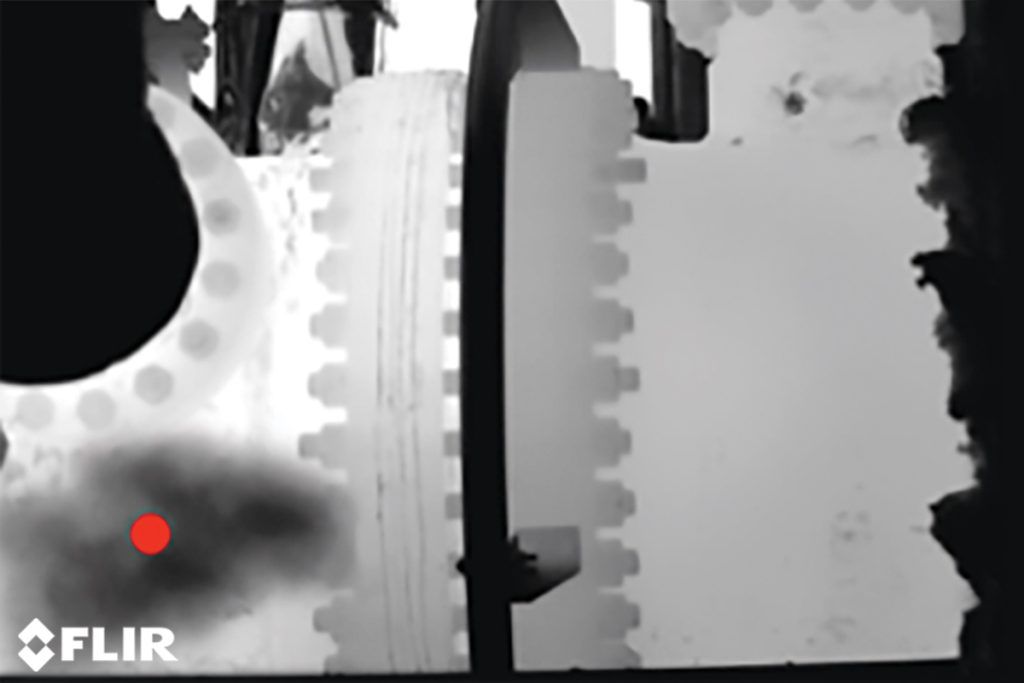
Además, las organizaciones afectadas tienen la opción de utilizar tecnologías avanzadas de detección de metano, incluidas las «tecnologías de cribado periódico» mensual con umbrales de detección que oscilan entre <1 kg/h y <15 kg/h dependiendo de la tecnología y la frecuencia de uso, como trimestral, bimensual o mensual.
The standard also establishes a new detection threshold for advanced continuous screening technologies of 0.40 kg/hour and must transmit mass emission rate data at least every 24 hours. These monitoring solutions are divided into two categories: long-term (updating on a 90-day moving average) and short-term (updating on a seven-day moving average).
Finally, the standard requires that the "spatial resolution of the technology" serve as part of a follow-up inspection. For example, if a technology has a spatial resolution at the area or component level, the follow-up inspection is only required for all fugitive emission components within 2 m and 0.5 m radius. Previous drafts of the regulation required scanning the entire site, but this change reduces the burden to focus on known problem areas that are ideal for the use of OGI cameras.
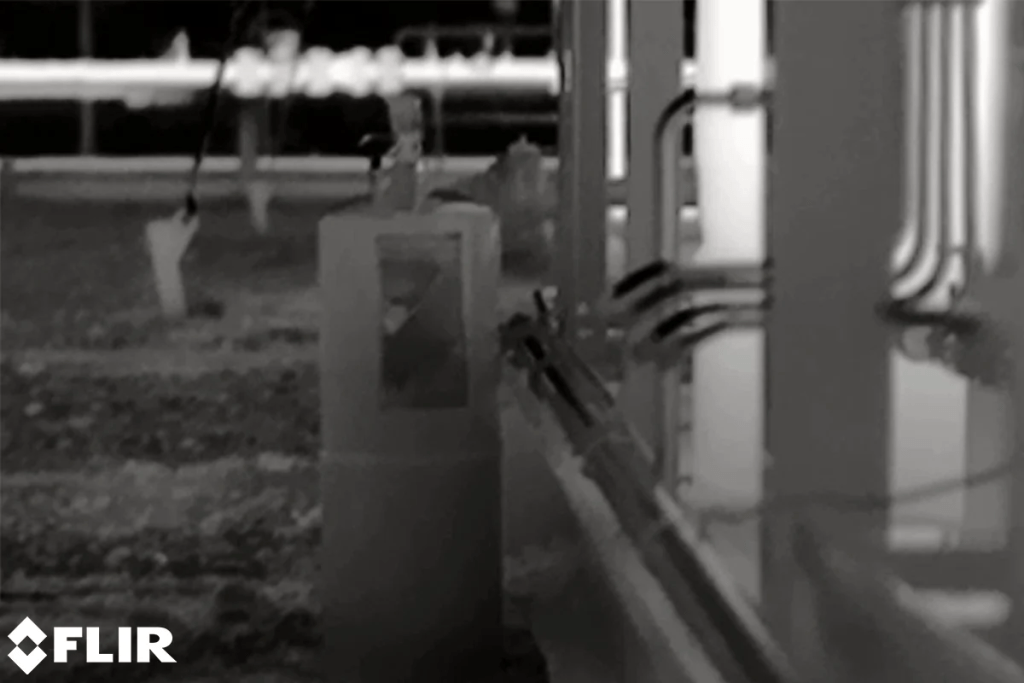
For a complete list of how the NSPS regulations have changed from 2012 to today, see this table of oil and gas sources covered by the EPA.
In the next blog, we will take a closer look at Appendix K, which specifically addresses the "Determination on how to use an OGI camera" stipulated in NSPS OOOOb and how it applies to the subparts of the regulation that are specifically referenced.
UPDATE
As of April 3, 2024, the Council of the European Union has published new directives and common regulations aimed at limiting industrial and livestock activities that generate harmful emissions.
The aim is to reduce polluting emissions, update and modernize standards, and achieve a zero-pollution, circular, competitive and climate-neutral economy by 2050.
The main elements of the review are:
- to include more industrial plants in the legislation
- make permits more effective
- reducing administrative costs
- increasing access to information, transparency and public participation
- to provide more support for innovative technologies and other innovative approaches
The new rules will expand the scope of the rules to also apply to:
- More large intensive livestock farms raising pigs and poultry, but not cattle.
- the mining sector
- Large plants for battery production.
New regulation: https://data.consilium.europa.eu/doc/document/PE-101-2023-INIT/en/pdf
https://www.europarl.europa.eu/doceo/document/TC1-COD-2021-0423_ES.pdf


