
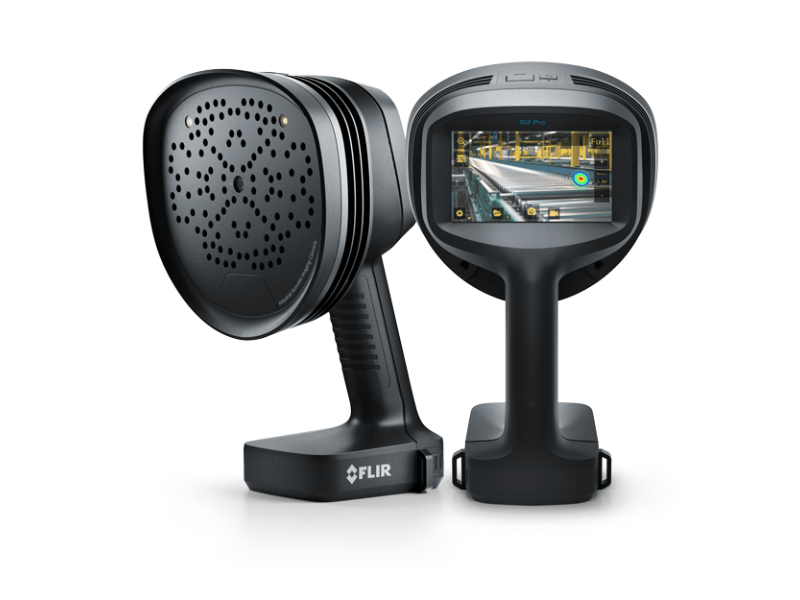
The Si2 Series
FLIR Si2 Series
Acoustic Imaging Cameras
Compressed air leaks, vacuum system leaks, electrical partial discharges... these are all costly problems that consume energy and force you to deal with unforeseen costs and potential production/uptime issues. Ultrasonic imaging with an acoustic camera is an effective way to detect these equipment problems as part of a comprehensive asset management plan.
FLIR's Si-Series is the perfect solution for locating pressurized leaks in compressed air systems and identifying partial discharge problems in high-voltage electrical systems.
This lightweight, one-handed camera helps utility, manufacturing and engineering applications identify efficiency losses and potential failures up to 10 times faster than traditional methods, with minimal training.
Advantages of Acoustic Imaging
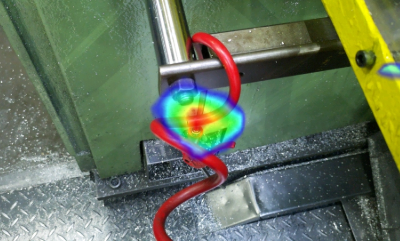
Compressed air leak detection
Finding the source of an air leak can be difficult and time consuming with most tools, but FLIR's intelligent ultrasonic imaging system can do it quickly and easily. FLIR's Si-Series cameras provide leak rates and cost estimates at safe distances to aid in leak detection and prioritize repairs to improve safety and save money.
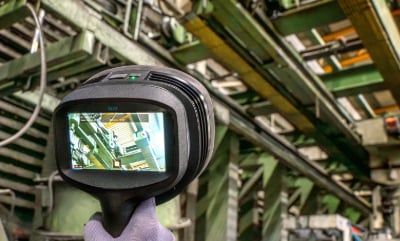
Mechanical failure detection
For bearings and other mechanical problems, the Si2's MECH mode detects and measures the severity of problems before they cause costly production interruptions or safety hazards.
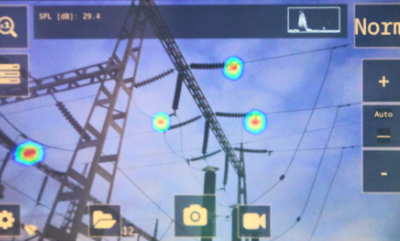
Partial discharge detection
Partial discharge (PD) indicates the partial failure of an electrical insulator (can be a mechanical insulator, air gap, vacuum, liquid, etc.). The Si series models use artificial intelligence to classify the specific type of PD so you know exactly what to repair: surface discharge (typical on insulators, bushings, terminations), floating discharge (between components) and corona.
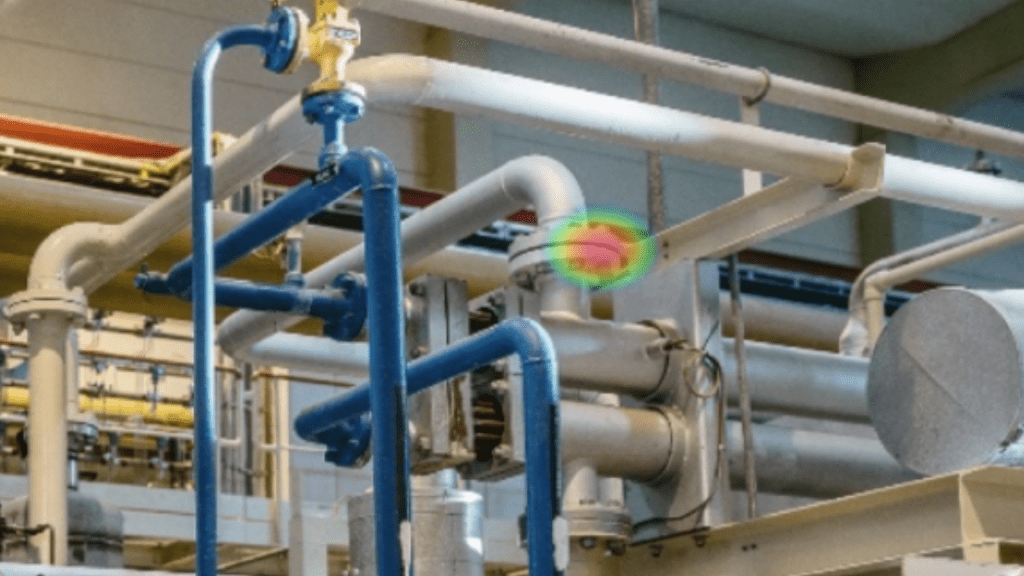
Quantification of gas leaks
Si2's integrated industrial gas quantification provides leak detection, leak rate and cost quantification for compressed air, methane, natural gas, ammonia, hydrogen, helium and argon to find and prioritize repairs, and maximize return on investment.
Why choose FLIR acoustic imaging?
Effortless one-handed operation
You can keep one hand free while inspecting components for operator safety and to reduce neck strain.
Superior sound detection with 124 microphones
The Si series cameras have 124 microphones, which can help you pick up very quiet noises from a great distance to obtain ultrasonic images. This is especially important when inspecting high-voltage systems and their potential leaks, which require a safe distance from energized equipment. The strength of a sound signal decreases significantly as one moves away from its source. The solution is to increase the number of microphones: quadrupling the number of microphones essentially doubles the sound detection range.
Optimal microphone performance
They use an optimized dynamic range to balance frequency capabilities with the distance the sound travels. It is desired to use the lowest possible frequencies to achieve the greatest distance.
Machine learning capabilities
FLIR's Si series uses machine learning to distinguish the other characteristics of the sound pattern created by the fugues and the background PD. It's the same way you distinguish between a harmonica and a bell playing the same note. Thanks to the large number of sensitive microphones combined with modern computer processing using machine learning, we can distinguish between background noise and noise created by defects due to different frequency properties.
Check how it works

What to look for in an acoustic image?
Effective frequency range
One of the first features to consider is the frequency range of the camera. One might think that the widest possible range is needed to capture the widest variety of sounds. However, in reality, the most effective frequency range for compressed air leak detection is between 20 and 30 kHz. This is because using the 20 to 30 kHz range helps to distinguish compressed air leaks from background noise in a factory.
Optimum number of microphones
In the search for quieter noises, more is better. Acoustic imaging cameras typically employ dozens of micro-electrical-mechanical system (MEMS) microphones to collect and characterize sound. Although MEMS are small, consume little power and are very stable, they also generate their own noise that interferes with an individual microphone's ability to pick up very quiet sounds. The solution is to increase the number of microphones in use; simply doubling the number of microphones is enough to improve the signal-to-noise ratio enough to eliminate three decibels of unwanted sound.
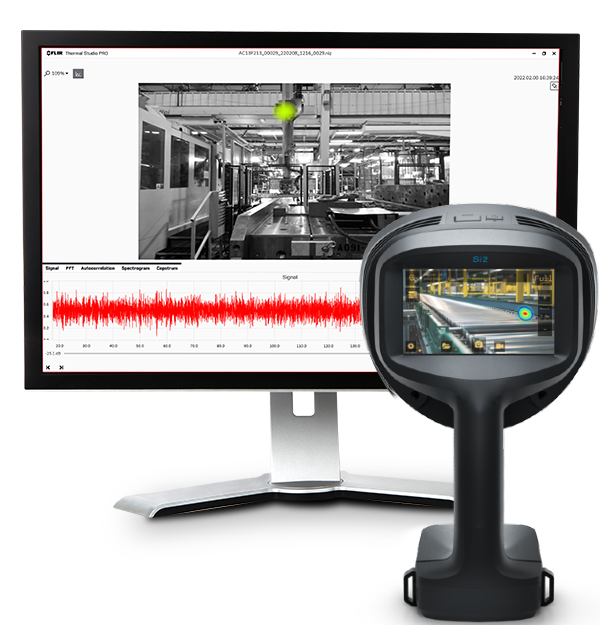
Compatibility with FLIR Thermal Studio coming soon
The FLIR Si-Series add-on for FLIR Thermal Studio allows you to import acoustic images from FLIR Si-Series acoustic cameras into FLIR Thermal Studio. Easily edit and analyze images and create advanced reports. With the plugin, you will have support for automatic fault classification, severity indication, recommended action for service inspections, leak volume estimation and cost savings for air leakage. Combine acoustic images with thermal images in the same report. FLIR Thermal Studio support for FLIR Si2 is planned for later this year.
Choose the FLIR Si2 model that's right for you
- Integrated battery (wireless)
- Frequency range: 2 kHz to 130 KHz
- Hard case and neck strap included
- Accessories available as additional options
- Free online software for analysis and reporting
- Compatible with FLIR Thermal Studio offline analysis and reporting software (free and paid versions available)
FLIR Si2 Series Models
FLIR Si2 Pro
Industrial acoustic imaging camera for partial discharge detection, pressurized leak detection and mechanical failure detection

FLIR Si2 PD
Industrial acoustic imaging camera for partial discharge detection
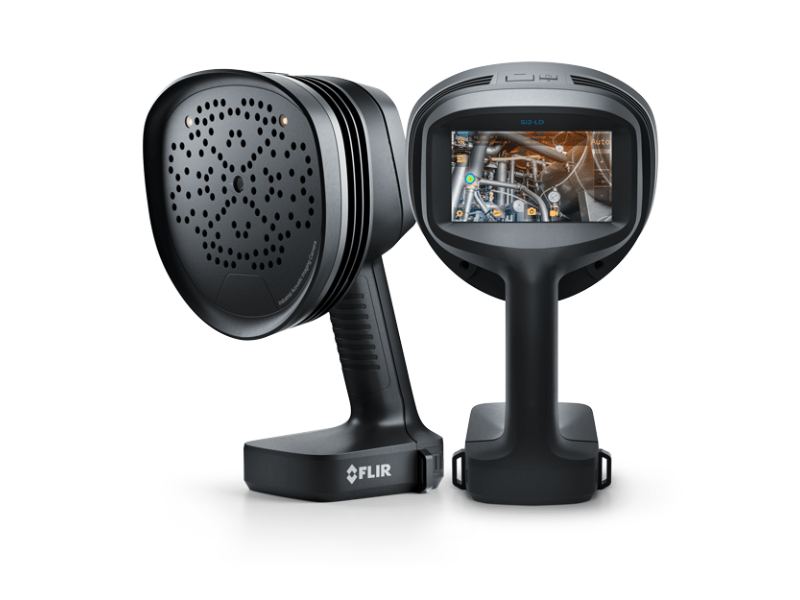
FLIR Si2 LD
Industrial acoustic imaging camera for pressurized leak detection and mechanical failure detection