
Complies with the new European Methane Regulation: Advanced technology for the detection and mitigation of emissions
Optimize emissions monitoring and ensure EU 2024/1787 compliance using FLIR's OGI camera

Easily meets regulatory requirements
The need to reduce methane emissions
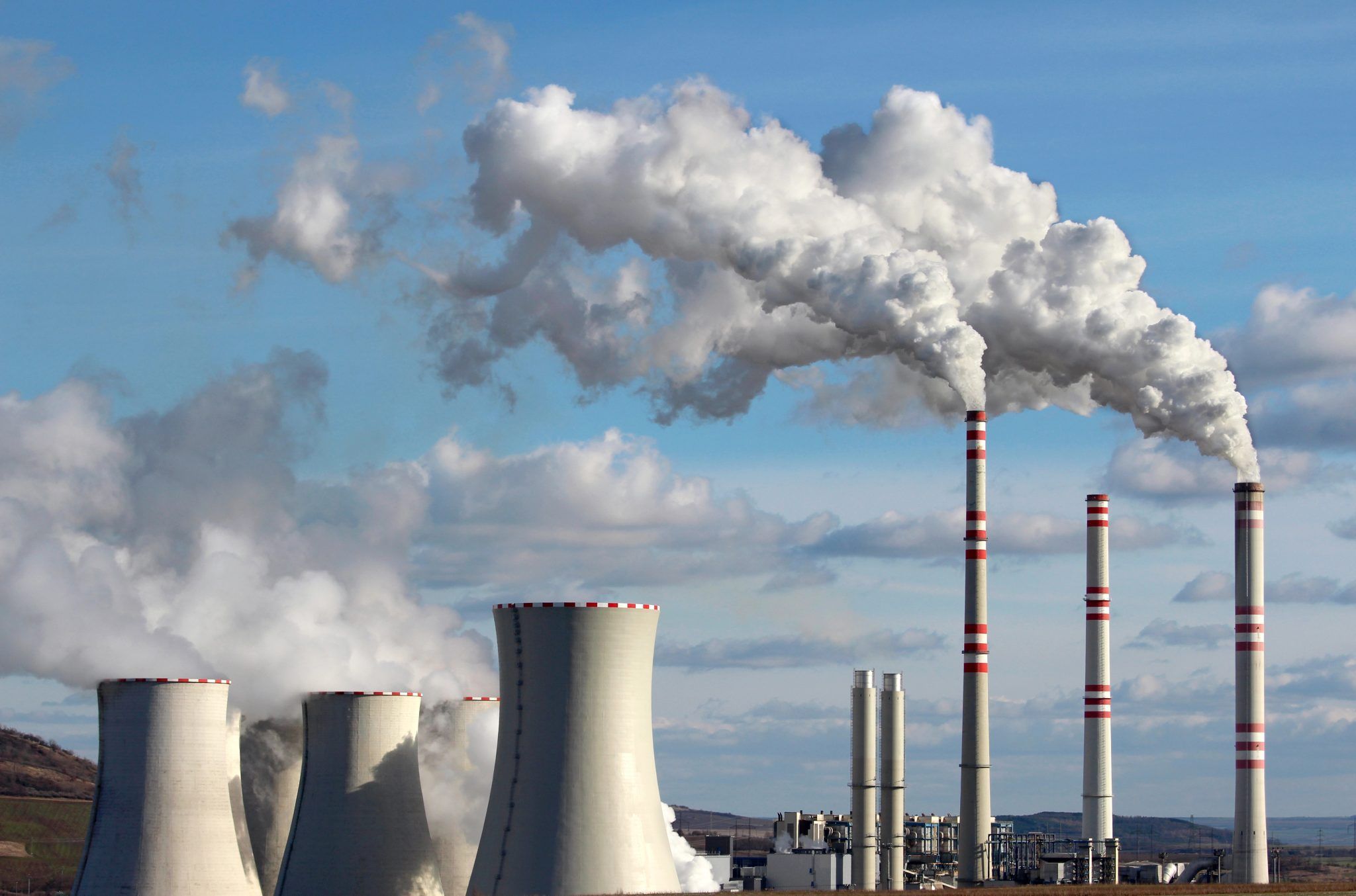
Methane is the world's second most potent greenhouse gas, responsible for one-third of current global warming. Over a 20-year period, it is more than 80 times more potent than carbon dioxide (CO₂), making it a priority target for emissions mitigation policies. The new EU methane regulation (EU Regulation 2024/1787) aims to reduce these emissions in the oil, gas and coal sectors to limit the impact of global warming.
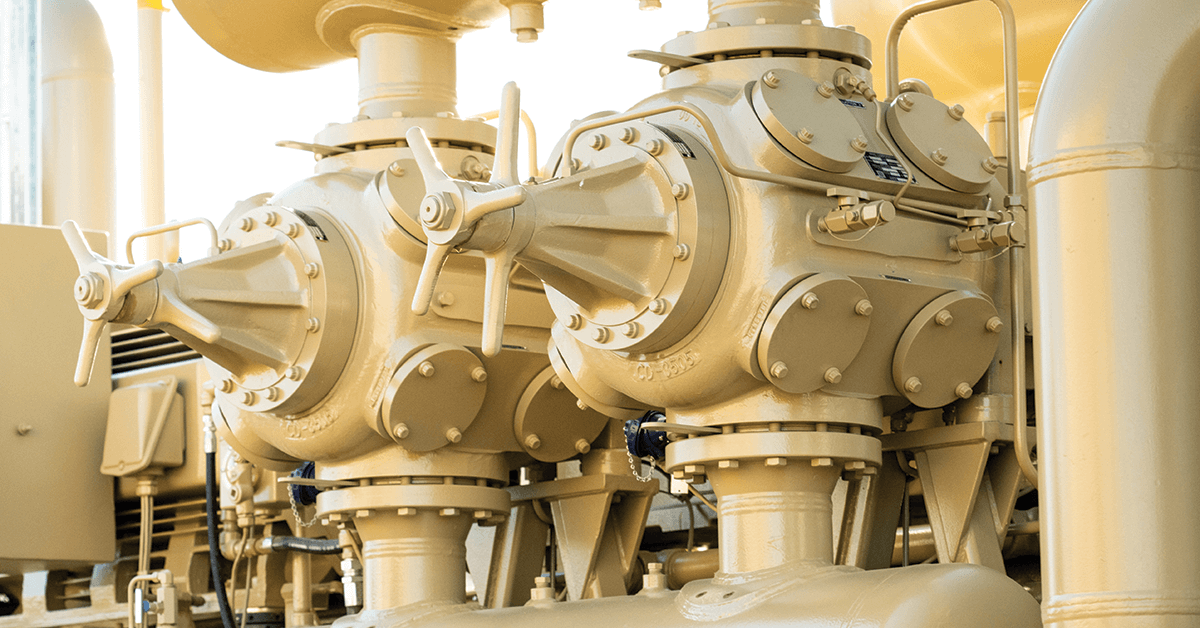
Methane leaks can occur at any point in the oil and gas supply chain: from production and processing, to storage and distribution. These leaks are often caused by equipment failure, poor maintenance, corrosion, material degradation, or even installation errors. Until now, many companies have had difficulty identifying and repairing leaks efficiently, resulting in high levels of unnecessary emissions.
The regulation establishes that operators must develop advanced systems for monitoring, reporting and mitigating emissions, and conduct periodic inspections to detect and repair methane leaks, according to the frequency and thresholds defined by the regulation. Failure to comply can result in financial penalties, damage to the company's reputation and direct contribution to climate change. Moreover, according to recent studies, the climate impact of a minimal methane leak rate (as low as 0.2%) can be equivalent to that of coal use.
Complying with regulations is a challenge that many companies face: the costs of detection equipment, the need for training to use advanced technologies, and the obligation to carry out repairs within strict deadlines are significant obstacles that complicate the process.
Solution: FLIR gas detection and quantification technology (OGI)
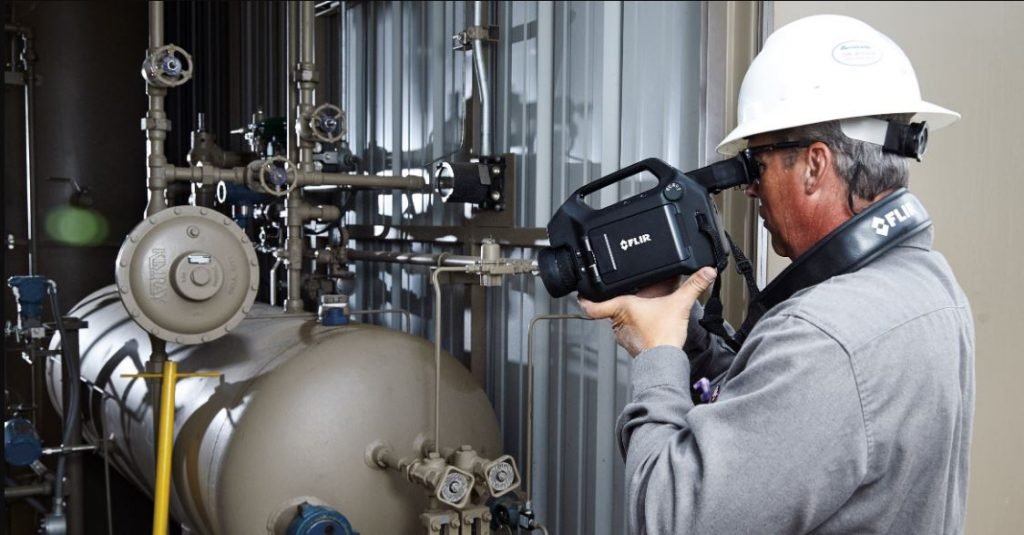
The solution to this complex problem lies in the adoption of advanced technologies that enable accurate and efficient detection of methane emissions. At Apliter, we offer FLIR's OGI camera, a state-of-the-art technology designed to meet the most stringent emission monitoring and mitigation standards:
- Accurate Detection and Quantification of Emissions
- FLIR's OGI camera makes it possible to visualize methane leaks invisible to the human eye, providing fast and accurate detection of emissions directly where they occur. This is critical to comply with regulations that require direct measurements at the source, rather than site-level estimates.
- Operators can detect leaks before they become major problems, allowing timely repairs and reducing fugitive emissions.
- Compliance with European Standards
- The regulation requires the implementation of Leak Detection and Repair (LDAR) programs, with frequencies ranging from monthly inspections to every 36 months, depending on the type of component and risk level.
- With FLIR's OGI camera, these requirements can be met by providing accurate and quantifiable data that enables effective leak detection and repair. In addition, the use of this technology ensures that operators can keep detailed records to support their monitoring and mitigation activities, facilitating regulatory compliance and auditing by authorities.
- Flexibility in Procurement
- For many companies, the acquisition of an OGI detection camera can represent a large investment, especially if it is not used consistently. To address this barrier, Apliter offers both purchase and rental options.
- Renting an OGI camera with a qualified operator provides a cost-effective solution, allowing companies to comply with regulations without having to make a significant investment in technology and training. In addition, our certified operators are experienced in the energy sector, ensuring accurate inspection and maximum utilization of the equipment.
- Reduction of Operating Costs and Sanction Risks
- Proactively detecting and repairing methane leaks helps avoid fines and penalties for non-compliance. It also reduces the loss of product that would otherwise be leaking into the environment.
- Periodic inspections and effective compliance with regulations also contribute to a better public image and environmental responsibility, elements that are increasingly valued in the market.
- Reduction of Operating Costs and Sanction Risks
- Contribution to Sustainability and Climate Responsibility
- By using OGI technology, you not only comply with regulations, but also contribute to global emission reduction targets. As the International Energy Agency (IEA) mentions, curbing methane emissions is the most effective means available to limit global warming in the short term.
- With FLIR's OGI camera, your company will be at the forefront of sustainability technology, contributing to a cleaner future and meeting the environmental commitments necessary to reduce your carbon footprint.
Don't wait any longer! Request a free consultation and find out how we can help you comply with regulations and reduce your company's emissions!
New EU regulation 2024/1787: What do you need to know?
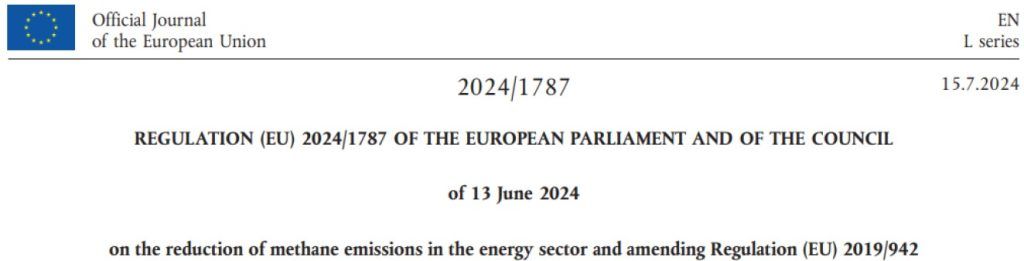
The European Union has implemented a landmark regulation to reduce methane emissions in the energy sector: the EU Regulation 2024/1787 on the reduction of methane emissions. This regulation aims to limit the climate impact of one of the most potent greenhouse gases, which is responsible for approximately one third of the global warming we experience today.
Here are the key points of the new regulation and how it affects operators in the energy sector:
1. Emission monitoring and reporting obligations
- Direct source and on-site monitoring: The regulation requires operators to develop and continuously improve their methane monitoring systems, using advanced technologies such as infrared cameras, OGI (Optical Gas Imaging) gas detection cameras, and other devices to ensure accurate measurements. The objective is to reduce uncertainty and ensure the reliability of the annual reports submitted to the competent authorities.
- Annual reporting: Oil, gas and coal operators must submit annual reports containing methane emission estimates, with a progressive increase in the accuracy and detail of such measurements, eventually aligning with UNEP's OGMP 2.0 (Oil & Gas Methane Partnership) standards, which advocate source and site level measurement.
2. Leak Detection and Repair (LDAR)
- Leak Detection and Repair (LDAR): Methane leaks are common throughout the oil and gas supply chain, and regulations establish a mandatory Leak Detection and Repair (LDAR) framework to minimize these emissions.
- Inspection frequencyDepending on the type of component, inspection frequencies vary:
- Production and processing: Components inspected at least every 12 months to ensure early detection.
- Transportation and storage: Some inspections must be performed every 36 months. The regulation indicates that as inspection frequency increases, more significant reductions in emissions are achieved (up to 90% with monthly inspections).
- Rapid corrective actions: When a leak is detected that exceeds the established limits, regulations require the repair of the affected component within a maximum of 5 working days, with repairs to be completed within a maximum of 30 days. This ensures a rapid response to prevent the continued emission of polluting gases.
3. Limits, Acceptable Emission Thresholds and Frequencies
- Specific emission thresholdsThe regulation defines specific methane concentration limits that trigger the obligation to repair:
- Type 1 Inspections: Required to repair components that emit 7,000 ppm (parts per million) of methane or 17 grams per hour.
- Type 2 Inspections: For subway and below sea level components, limits range from 500 to 7,000 ppm, depending on location and operating conditions.
- These limits ensure that only extremely small emissions are ignored, causing most leaks to be detected and repaired, contributing to the overall reduction of emissions.
- Inspection frequencies:
- LDAR Type 1 Inspections (design pressure > 16 bar):
- 4 months: Compressor stations, regulation and measurement stations.
- 9 months: Valve station.
- LDAR Type 2 Inspections (design pressure > 16 bar):
- 8 months: Compressor stations, regulating and measuring stations.
- 18 months: Valve station.
- LDAR Type 2 Inspections (presión de diseño <=16bar):
- 9 months: Regulation and measurement stations.
- 21 months: Valve station.
- LDAR Type 1 Inspections (design pressure > 16 bar):
4. Ventilation and burning prohibitions and restrictions
- Prohibition of venting and flaring: The regulation places strict prohibitions on the deliberate venting and flaring of methane, except in emergency circumstances. This is critical to avoid uncontrolled release of methane to the atmosphere.
- Mandatory reporting: Operators are required to report any venting or flaring events to the competent authorities, and these events are subject to subsequent verification. This ensures greater transparency and accountability in emissions management.
5. Monitoring and mitigation of inactive wells.
- Abandoned Well Inventory: Inactive oil and gas wells continue to be a source of emissions if not adequately remediated. The regulation requires Member States to establish an inventory of all inactive, temporarily or permanently plugged wells and develop mitigation plans to remediate, reclaim and plug these wells.
- This will allow not only the control of current emissions, but also avoid future environmental problems related to soil and water contamination.
6. Application of advanced detection technology: OGI cameras.
- Approval of OGI (Optical Gas Imaging) technology: The U.S. Environmental Protection Agency (EPA) and European regulations recognize the use of OGI cameras as one of the best available technologies for the detection of fugitive methane emissions.
- FLIR's OGI camera is the approved solution to meet regulatory requirements, enabling accurate inspection "as close as possible" to equipment that may be emitting pollutant gases. This technology helps reduce the risk of human error and maximizes the efficiency of the leak detection and repair process.
7. Key dates for compliance
- Mandatory first inspection: All operators must perform a first inspection by August 5, 2025.
- Deadlines for leak repair: Repairs should be initiated within 5 days of detection and completed within a maximum of 30 days. It is crucial that operators have the proper tools and processes in place to meet these deadlines and avoid penalties.
8. Consequences of non-compliance
- Financial penalties and loss of reputation: Non-compliance can lead to significant penalties, which will not only impact companies financially, but also damage their reputation. In addition, companies that fail to meet deadlines and emission reduction requirements will face additional monitoring and auditing by regulatory authorities.
- Climate risk: Failure to comply with these regulations not only entails penalties, but also has a negative impact on the fight against climate change. Methane is an extremely potent greenhouse gas, and reducing its emissions is crucial to limiting global warming.
Ask us for more information! We will help you with your LDAR inspections to comply with the new regulations.
OGI camera inspections and sales of FLIR methane detection and quantification cameras
Acquisition options: sale or inspection
We know that every company's needs and resources vary. That's why we offer multiple options to ensure you can comply with regulations regardless of your operational or budgetary constraints:- Purchase of FLIR OGI cameras:
- Complete ownership and control: The purchase of a camera provides the greatest control and availability of the equipment, allowing inspections to be performed according to your own internal schedules and processes.
- Long-term investment: This is the ideal option for those companies that require continuous monitoring and want to have the most advanced technology immediately available.
- Full technical support: We offer technical support, software updates and maintenance to ensure that your equipment is always running at peak performance.
- OGI camera inspection with certified operator:
- Flexibility and cost savings: Buying a camera can be a great investment for companies that only need to perform periodic inspections. With our rental service, you get access to the technology without the long-term financial commitment.
- Certified operator included: With the rental, we not only provide you with the camera, but also with a highly qualified and experienced operator in the energy sector. This eliminates the need for in-house training and ensures that inspections are accurate and effective from day one.
- Everything you need to comply with regulations: By including the certified operator, we ensure that the inspection process is carried out in accordance with industry best practices, helping you meet the deadlines and standards required by EU regulations.
Benefits of Apliter inspection
- No high initial investment: Avoid high initial purchase costs and allocate those resources to other areas of your business.
- Immediate availability: Quick and easy access to the equipment you need, without long waiting times or complex procedures.
- Specialized personnel: Our team is composed of professionals certified in the use of FLIR's OGI technology and best practices for leak detection. This ensures a detailed inspection with a high level of accuracy.
- Optimization of operating costs: If you don't need the camera all year round, renting allows you to pay only for the use you really need. This optimizes resources and minimizes unnecessary costs.
Why choose FLIR's OGI camera for Methane Compliance
- Advanced detection and quantification technology
- FLIR's OGI camera uses advanced infrared technology to detect methane leaks quickly and accurately, enabling immediate response to prevent prolonged emissions.
- With the ability to detect very small concentrations and visualize leaks directly on site, compliance with source-level detection regulations is ensured, an essential requirement under EU 2024/1787.
- Guaranteed LDAR compliance
- LDAR (Leak Detection and Repair) programs require regular inspection of key components, and our technology meets these standards by providing a clear view of critical emission points.
- Our certified operators are experienced in the industry and have a thorough understanding of regulatory requirements, ensuring that all inspections are performed in compliance with regulations.
- Approval by regulatory agencies
- FLIR's OGI camera is approved by environmental authorities such as the Environmental Protection Agency (EPA) and meets the requirements specified by the European Union. This technology has been identified as one of the best options for fugitive emissions detection, ensuring that your company is using the best available solution to comply with current regulations.
Use cases: How does this technology benefit you?
- Reduced emissions and improved operational efficiency: Thanks to early leak detection, your company can significantly reduce emissions and minimize economic losses associated with the leakage of valuable products.
- Avoid penalties and reputational risks: Complying with regulations not only avoids financial penalties, but also reinforces your company's public image as an actor committed to sustainability and environmental responsibility.
- Maintenance cost optimization: Identifying equipment problems before they become major incidents can avoid costly downtime and optimize the efficiency of your production processes.
Our commitment: full compliance support
At ApliterWe offer you not only the technology to comply with the regulation, but also the full and continuous support you need to meet the challenges of emissions monitoring. From equipment installation and training, to after-sales service and upgrades, we're here to ensure you can always stay one step ahead of regulatory compliance.Our team of experts is at your disposal to advise you and help you decide which is the best option for your company: rental or purchase of the OGI camera.Act Now and Comply with European Regulation
Compliance with EU 2024/1787 regulations is crucial to avoid penalties and reduce your environmental impact. At ApliterWe are committed to providing affordable and effective solutions to meet all regulatory requirements.Contact us today to learn more about our rental and sales options, or to schedule an inspection with one of our certified operators!
Contact with us
Don't let time run out, comply today!
Protect yourself from penalties and contribute to reducing global methane emissions.
Schedule your consultation now!